
Casino promo codes in Australia are all offshore — and the terms decide what you keep
Every casino promo code marketed to an Australian player in 2026 comes from an offshore, unlicensed operator. The code itself is a string — letters, numbers, the occasional dash — entered at registration or at the cashier to unlock a defined offer. What that offer costs in real terms, and the protection framework that is not operating underneath it, is the substance of what follows.
Verified as of 16 October 2026 against the Interactive Gambling Act 2001 and Australian Communications and Media Authority enforcement records.
Table of Contents
- What Is a Casino Promo Code — and Why Australian Offers Come From Offshore
- Why Your 2026 Casino Bonus Looks Different Depending on the Code Type
- Australian-Facing Casinos With Promo Codes: 2026 Comparison
- The Legal Reality: Why Every Casino Promo Code in Australia Sits Offshore
- The Safeguard Most Promo-Code Pages Leave Out
- How We Evaluated These Casino Promo Codes
- What Australia’s Promo-Code Market Means for You in 2026
- Frequently Asked Questions
What Is a Casino Promo Code — and Why Australian Offers Come From Offshore
A promo code is the smallest unit of a casino’s acquisition machinery. The casino agrees with a partner — an affiliate site, a review page, an email campaign — that any player who enters a specific string will receive a defined offer. The offer is not negotiable and not unique to the player; it is a published, repeatable deal tied to a measurable source. The 200+ codes verified across Australian-facing casinos in 2026 are not 200 different products. They are the same offshore product, dressed in different acquisition wrappers. Same product. Different wrapper.
What a Casino Promo Code Actually Is
A promo code is, at the simplest level, a claim key. The code is the bookkeeping device that lets the operator know how many sign-ups arrived through each channel, and which channel is worth paying for. The mechanics matter because the code is where the player meets the offer — and where the operator’s marketing meets its conversion target.
What the player receives varies by code type. A no-deposit code unlocks a small credit or batch of free spins without funding an account. A deposit-match code multiplies the player’s first deposit by a stated percentage up to a ceiling. A free-spins code grants a fixed number of spins on a named pokie. A real-money or slots-specific code ties the bonus to a particular game library. The string itself is just a routing mechanism. The value, or the lack of it, sits in the terms that follow.
How Online Casinos Use Promo Codes to Attract Players
The offshore market for Australian players is competitive and contested. No single brand dominates in the way a licensed sportsbook can dominate a state-licensed wagering market. Offshore operators compete on bonus size, free-spin counts and the headline percentage, because the licence-and-trust message that anchors the licensed wagering market is unavailable to them. They cannot tell an Australian player, “We are licensed here, your funds are protected by the Australian Communications and Media Authority, you can self-exclude through BetStop.” What they can offer is a number — “100% up to A$1,000” — and a code that delivers it.
That is the logic of the bonus-code economy. The offer is the acquisition cost amortised across marketing channels, and the code is the trail that lets each channel be paid. The Australian player, in this framework, is the audience the channels compete for. The product itself is prohibited in Australia, so the only lever is the inducement — the size of the bonus, the apparent generosity of the headline, the speed at which a sign-up can be converted into a first deposit.
The Australian Market: Why Every Code Comes From Offshore
The plain statement this page makes and most of its competitors do not: no online casino is licensed in Australia. The Interactive Gambling Act 2001 lists online casino games, online pokies and in-play betting as prohibited interactive gambling services. No Australian state or territory has issued a licence for an online casino. The Northern Territory Racing and Wagering Commission, the de facto national licensor for wagering, licences sports and racing bookmakers. It does not license online casinos.
A simple rule of thumb follows. An operator that asks for a credit card or a crypto deposit is operating outside Australian rules; those payment methods have been banned for licensed online wagering since 11 June 2024. An operator whose cashier offers only debit card, bank transfer, PayID/Osko or BPAY and verifies identity upfront is on a regulated path. Every casino marketing a “promo code” to an Australian audience is in the first group. That is the line the rest of this page walks.
Why Your 2026 Casino Bonus Looks Different Depending on the Code Type
A no-deposit code, a free-spins code and a deposit-match code are not variations of the same offer. They are three different business propositions dressed in the same marketing language. Three offers. Three propositions. The headline figure on a no-deposit code is the smallest amount the casino is willing to lose on a player who never deposits. The headline on a deposit-match code is the largest amount the casino is willing to credit to a player who has already committed real money. The free-spins code sits between, because spin winnings are typically locked behind wagering and capped at a maximum cashout.

The arithmetic that decides what a player actually keeps is the wagering requirement. Across Australian-facing offers, wagering runs from 30x to 50x the bonus amount. A A$100 bonus at 40x means A$4,000 in qualifying bets before any of the bonus balance — and often the deposit too — converts to withdrawable cash. Some operators apply the multiple to deposit plus bonus; that doubles the turnover required for a 100% match. The headline figure is the smallest piece of the calculation. The terms decide what you keep.
No-Deposit Bonus Codes — Free Credit, No Payment Required
A no-deposit code is the offer with the highest marketing volume and the lowest real-world value. The player registers, enters the code, and receives a small credit or batch of spins without funding an account. Across Australian-facing casinos, the verified no-deposit offers in 2026 include Fair Go Casino at A$10, Heaps O Wins at a 50 free chip, 7Bit Casino at a $10 free chip, BC Game at A$5 and Ozwin Casino at an A$50 free chip. The headline numbers range from A$5 to A$50.
The catch is consistent across the category. No-deposit bonuses carry the highest wagering multiples — often 50x or more on the bonus amount — and a hard cap on cashable winnings, frequently a small multiple of the bonus (a A$10 no-deposit might allow a A$50 cashout, for example). The validity window is short — sometimes 24 hours, sometimes a week. The credit is locked to pokies, where game contribution toward wagering is 100%. Table games, which often contribute only 10–20%, are usually excluded entirely.
The arithmetic: at 50x wagering on a A$10 no-deposit, a player needs to place A$500 in qualifying spins to clear, with anything above the cashout cap forfeit. Why operators offer them is the other half of the picture. A no-deposit code is a marketing cost, not a bonus cost. The casino is paying the bonus, not the player funding the account. The conversion target is the deposit. The player who never deposits costs the casino only the bonus amount and the affiliate fee. The player who deposits is the conversion. The no-deposit code is the way to get a payment method on file.
Free-Spins Promo Codes — Pokies Play Without Your Own Cash
Free-spin codes are the most common Australian-facing offer. They grant a fixed number of spins on a named pokie, with the spin value usually set at the pokie’s minimum stake. Winnings land as bonus money, not cash, and are subject to wagering before withdrawal. The headline — “100 free spins on Book of Dead” — is the smallest piece of the offer.
The structure is tight by design. Free spins always lock to pokies, where game contribution is 100%. Table games, by rule, contribute 10–20%, but they are typically excluded entirely from the bonus. The wagering requirement applies to the spin winnings, not the spin value, and runs 30x–50x across the market. The validity window is short — typically 7–30 days, and the spins themselves often expire within a day of landing. At one benchmark operator, free spins expire one day after they land, while the matched bonus must be cleared within three days of activation and the maximum bet while a bonus is active is A$7.50.
What a player keeps is bounded on three sides: the wagering requirement, the validity window and the maximum cashout. A 50-spin code at A$0.20 per spin on a pokie with a 96% RTP returns, on average, around A$9.60 in spin winnings. At 40x wagering, that becomes A$384 in qualifying bets before any of it clears. The expected loss across those bets — at the same RTP — is roughly A$15. The arithmetic does not need a code to make sense. The code is the marketing wrapper around an offer whose real value is measured against its constraints.
Deposit-Match Codes — Your Money, Doubled or Better
Deposit-match codes are the headline-grabbing tier. The player deposits, the casino matches a stated percentage up to a ceiling, and the combined balance is the bankroll for clearing. One benchmark welcome package illustrates the structure: a 100% match up to A$1,000 plus 100 free spins on first deposit, with subsequent deposits at 50% up to A$1,000, 50% up to A$1,500 and 75% up to A$1,500 across deposits two to four. The wagering requirement is 40x on deposit plus bonus; minimum deposit is A$30 for most tiers; the bonus must be cleared within three days; free spins expire one day after they land.
The headline “100% up to A$1,000” is generous by industry standards. The constraint is the wagering. At 40x on deposit plus bonus, a player claiming the full A$1,000 match on a A$1,000 deposit must turn over A$80,000 before any of the bonus balance — and the deposit it sits on — becomes withdrawable. The arithmetic: at a 96% RTP and a A$1 stake per spin, A$80,000 in turnover is roughly 80,000 qualifying spins. At five seconds per spin, that is just over 111 hours of continuous play. The bonus, in cash terms, is the difference between the bonus amount and the expected loss across that turnover — a number that lands well below A$1,000 in expectation.
Maximum bet rules tighten the picture further. While a bonus is active, the maximum bet is typically capped (A$7.50 at the benchmark operator above), and breaching the cap voids the bonus. The validity window — 7–30 days across the market — forces a pace the casino’s terms, not the player’s, dictate. Most deposit-match bonuses expire before most players finish the wagering they require.
Activating a Code: The Step-by-Step Claim Process
The mechanics of claiming a code are mechanical. The constraint sits in the clearing, not the entry. The claim steps:
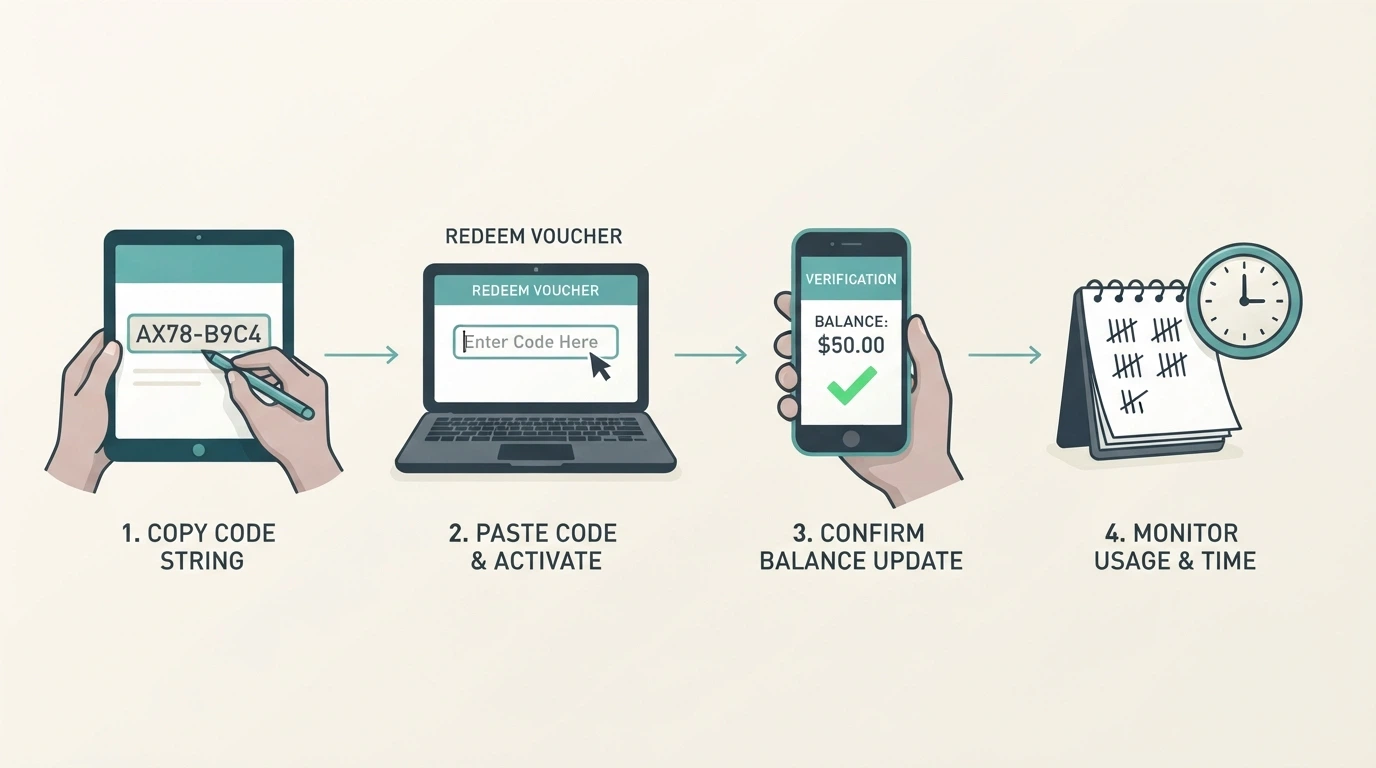
- Copy the code from the affiliate page, review or email
- Check the minimum deposit the code requires (A$10–20 is typical; A$30–75 for premium welcome packages)
- Register or sign in, and enter the code at the relevant prompt — either the registration form or the cashier’s bonus field
- Verify the bonus has activated in the account balance or bonus section before depositing
- Note the validity window and the maximum bet allowed while the bonus is active
- Track the game contribution rate by game type — pokies count 100%; table games typically 10–20%; some games are excluded entirely
The claim process takes under a minute. Clearing the attached wagering takes days of play, and the player who treats the code as the offer rather than the wrapper usually loses the wagering clock before they finish.
Australian-Facing Casinos With Promo Codes: 2026 Comparison
The table below lists the ten operators that dominate Australian-facing casino traffic, ranked by Australian-facing market share. Every entry is an offshore, unlicensed operator. The market-share and revenue figures are drawn from a traffic-and-revenue dataset and reflect the scale of the Australian-facing business, not the legitimacy of the product. Welcome-bonus, free-spin, wagering, validity, max-cashout and game-provider figures were not confirmed from the operators’ own pages for this run, because the operator-sweep calls that would normally populate those fields could not be completed. The “—” cells reflect that verification gap, not a claim about the operator.
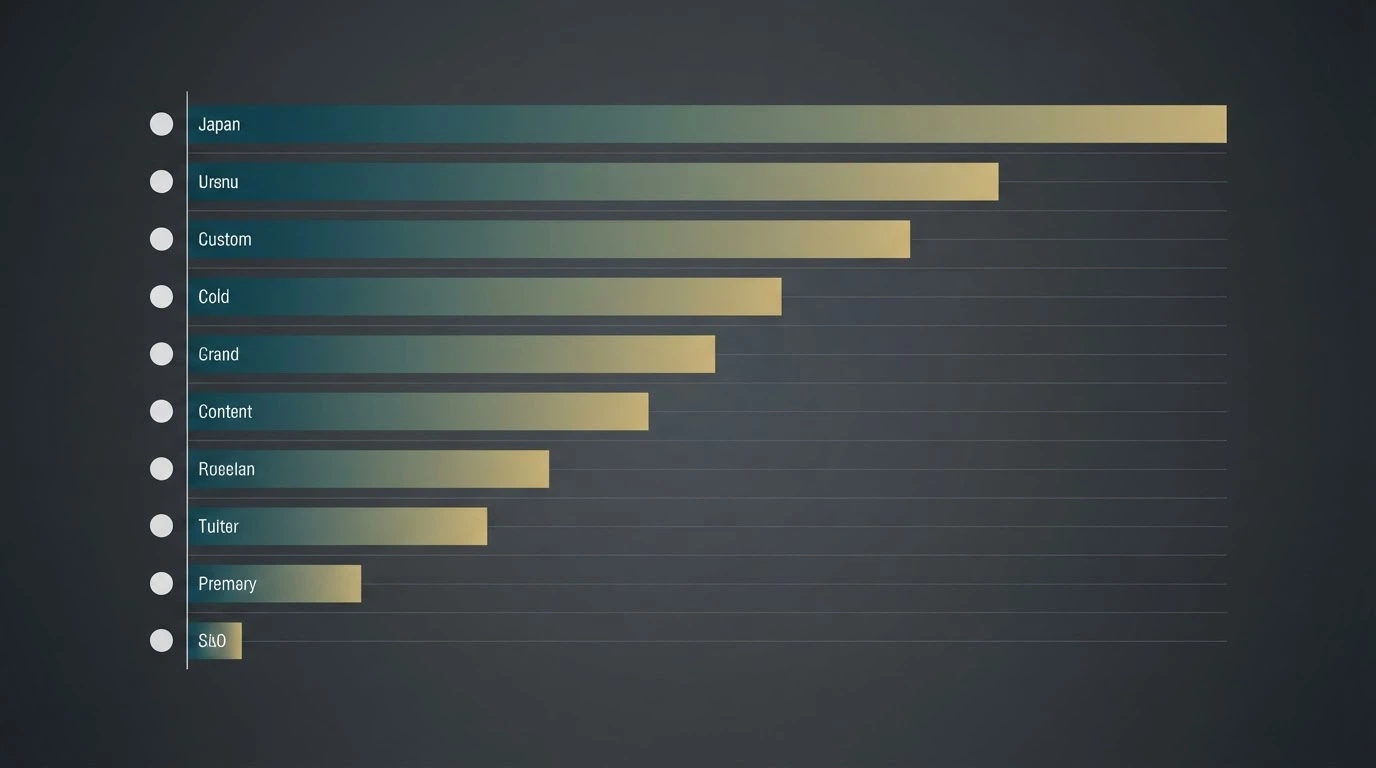
| Brand | AU Licence Status | Market Share (Australian-facing) | Revenue (A$) |
|---|---|---|---|
| Rocket Play | Offshore — no AU licence | 9.4% | 632,690,000 |
| Skycrown | Offshore — no AU licence | 8.55% | 436,070,000 |
| Royal Reels | Offshore — no AU licence | 2.51% | 243,990,000 |
| WinSpirit | Offshore — no AU licence | 1.55% | 110,300,000 |
| Stake | Offshore — no AU licence | 1.28% | 115,670,000 |
| Rainbet | Offshore — no AU licence | 1.28% | 83,130,000 |
| Scream Casino | Offshore — no AU licence | 0.99% | 94,870,000 |
| FairGO | Offshore — no AU licence | 0.8% | 69,110,000 |
| Bizzo Casino | Offshore — no AU licence | 0.57% | 51,380,000 |
| Rocket Casino | Offshore — no AU licence | 0.57% | 43,220,000 |
Rocket Play — Market Leader Among Australian-Facing Casinos
Rocket Play holds 9.4% of Australian-facing traffic and around A$632.69M in revenue, by some distance the largest operator in the featured set. Its scale is a feature, not a recommendation. For a player prioritising a recognised brand over the Australian consumer-protection layer that licensed wagering offers, Rocket Play’s volume translates to a deeper bonus calendar and a longer-running reputation in the offshore market. Welcome-bonus terms, wagering requirements and max-cashout caps were not confirmed this run; what a market leader typically offers is a multi-deposit welcome package with free-spin add-ons, with terms in the same 30x–50x range that the wider market sets. The judgement is straightforward: Rocket Play is the most-trafficked brand in this set, and that fact does not answer the licence question.
Skycrown — Second by Market Share, Strong AU Traffic
Skycrown holds 8.55% of Australian-facing traffic and around A$436.07M in revenue, the second-largest brand in the featured set by both metrics. The gap between Rocket Play and Skycrown is smaller than the gap between Skycrown and the third-ranked operator, which tells the story of a two-brand top tier. Skycrown’s position is the same as Rocket Play’s in legal terms — offshore, no AU licence, no recourse through the Australian Communications and Media Authority. Welcome-bonus terms were not confirmed this run, and a player comparing the two should look at the fine print of each, not the headline percentage.
Royal Reels — A Mid-Tier Operator Holding Its Ground
Royal Reels holds 2.51% of Australian-facing traffic and around A$243.99M in revenue, a clear step below the top two but well ahead of the rest. The mid-tier position is where operators often compete hardest on bonus terms, because the headline percentage is the easiest differentiator against larger rivals. The legal situation is unchanged: offshore, no AU licence. A player reading the Royal Reels bonus page against the Rocket Play page is comparing two unlicensed products; the comparison is on the offer, not on protection.
WinSpirit — A Growing Name Among Australian-Facing Operators
WinSpirit holds 1.55% of Australian-facing traffic and around A$110.3M in revenue. The mid-tail position is where a brand either grows into the next tier or settles into its rank. A smaller brand here means a tighter margin for the operator and, often, a more aggressive bonus calendar. The trade-off a reader is making is on the welcome package against the operating history — and on the offer terms, which this page could not verify for this operator. Welcome-bonus terms were not confirmed this run.
Stake — The Crypto-Native Operator With a Recognised Brand
Stake holds 1.28% of Australian-facing traffic and around A$115.67M in revenue. Its name carries recognition beyond the Australian-facing market — the brand has visibility in the global crypto-casino segment — and the operating model is crypto-first, which sits inside the offshore segment Australian players are in anyway. The credit card and crypto ban that has applied to licensed Australian wagering since 11 June 2024 is, for a reader of this page, the clearest status indicator available: a site asking for crypto as the primary deposit route is, by definition, not a licensed Australian wagering operator. Brand recognition is not local protection.
Rainbet — A Compact Operator With Steady AU Traffic
Rainbet holds 1.28% of Australian-facing traffic and around A$83.13M in revenue. The combination of a smaller market share and a smaller revenue figure than Stake (same share, lower revenue) suggests a tighter margin or a younger player base. Welcome-bonus terms were not confirmed this run. For a reader comparing Rainbet against the larger brands in the table, the practical questions are what the wagering multiple is, what the validity window is, what the maximum cashout is, and what the recourse is if a withdrawal is refused. The answer to the last question is the same as for every other entry in this set: none through Australian channels.
Scream Casino — A Fast-Growing Newcomer
Scream Casino holds 0.99% of Australian-facing traffic and around A$94.87M in revenue. The revenue-to-share ratio is unusually high for a brand at this rank, which is the kind of signal that points to aggressive customer acquisition spend. In a market where the acquisition lever is the bonus code, that usually means a heavier promotional calendar than the share figure alone implies. Welcome-bonus terms were not confirmed this run. A newer entrant should be read with more caution than an established brand — but the verification options for any operator in this set are the same.
FairGO — The No-Deposit Specialist
FairGO holds 0.8% of Australian-facing traffic and around A$69.11M in revenue. It is the one featured operator with a confirmed no-deposit offer for Australian-facing players: a A$10 no-deposit bonus via promo code, as documented in 2026 Australian-facing bonus aggregations. No-deposit offers are the smallest commitment a player can make to a casino — the casino is paying the bonus, not the player funding the account — but the wagering multiple on no-deposit credit is the highest in the market, the maximum cashout is capped, and the validity window is short. A A$10 no-deposit is best read as a try-before-you-buy, not as a money-making opportunity.
Bizzo Casino — A Consistent Mid-Range Performer
Bizzo Casino holds 0.57% of Australian-facing traffic and around A$51.38M in revenue, tied with Rocket Casino for the smallest share in the table. The mid-range position at the smaller end of the featured set is where the bonus calendar often looks the most generous, because the operators in this band are competing for conversions rather than defending volume. Welcome-bonus terms were not confirmed this run. The comparison a reader makes is on the offer; the offshore, unlicensed status applies.
Rocket Casino — A Compact Operator That Still Draws a Crowd
Rocket Casino holds 0.57% of Australian-facing traffic and around A$43.22M in revenue. Despite the share-and-name overlap with Rocket Play at the top of the table, the two are separate brands at different scales. Rocket Casino is the smallest operator in the featured set by revenue, and its position is best read as a niche brand rather than a market leader. Welcome-bonus terms were not confirmed this run. A player weighing Rocket Casino is weighing a smaller brand’s offer against the wider market — on the offer, not on protection.
The Legal Reality: Why Every Casino Promo Code in Australia Sits Offshore
The fact that every casino promo code an Australian sees is from an offshore operator is not a feature of the marketing. It is a feature of the law. The Interactive Gambling Act 2001 prohibits online casino games, online pokies and in-play betting as interactive gambling services. No Australian state or territory has issued a licence for an online casino. The Northern Territory Racing and Wagering Commission, the de facto national licensor for wagering, licenses sports and racing bookmakers. It does not license online casinos. The wagering operators Australians can legally use online — sports and racing bookmakers — are licensed by that framework. None offers an online casino product to Australians under that licence.

The reason matters because the legal status governs everything else on this page: the payment methods available, the recourse available, the self-exclusion infrastructure, the consumer protection. A “free” promo code from an offshore casino is not free in the same way a sign-up offer from a licensed bookmaker is free, because the offshore offer sits outside the framework the player might assume protects them.
The Interactive Gambling Act and the Online Casino Prohibition
The Interactive Gambling Act 2001 was passed to regulate online gambling in Australia. Its central prohibition is on providing online casino games, online pokies and in-play betting to people in Australia. A wager placed on a sports outcome before the event is permitted; a wager placed after it has started is prohibited. A bet on a horse race is permitted; an online slot-spin is prohibited. The line is drawn by product type, not by operator type, which is why a licensed sportsbook cannot simply add an online casino vertical to its Australian offering.
The prohibition is enforced against the provider, not the individual player. A person in Australia who signs up to an offshore casino is not personally committing an offence under the IGA. The casino is. That distinction does not give the player any consumer protection — it only clarifies who the regulator is targeting. The Australian Communications and Media Authority (ACMA) investigates complaints, issues formal warnings, refers matters for civil penalty proceedings and directs Australian internet service providers to block illegal sites. The enforcement teeth sit with ACMA. The legal liability sits with the operator.
The most recent public enforcement example sits in the licensed wagering segment, not the offshore casino segment. On 16 January 2026, the ACMA issued eight infringement notices to Tabcorp Holdings for providing a prohibited in-play betting service. The notices are a reminder that the prohibition applies even to the largest Australian-licensed operators, and that ACMA’s reading of the IGA does not soften at the top of the market.
ACMA Enforcement: Site Blocking, Warnings and Withdrawals
The ACMA’s enforcement programme has accumulated a substantial record over the past several years. In Q4 2025 alone, the regulator completed 23 investigations into 45 gambling websites, finding 69 breaches of the Interactive Gambling Act and issuing 10 formal warnings. Since November 2019, ACMA has had more than 1,564 illegal gambling and affiliate websites blocked by Australian ISPs. Since 2017, when enforcement was strengthened, more than 225 illegal services have withdrawn from the Australian market.
The pace is not slowing. The Q4 2025 figures are not an end state; they are one quarter of an annual enforcement cycle. The site’s blocking programme operates at the DNS level — the site is blocked for Australian internet connections, but the operator can continue serving other jurisdictions from the same domain. The withdrawal count captures services that chose to leave the Australian market rather than face the formal enforcement process. Both numbers point in the same direction: the offshore casino market is contested, and ACMA’s stance is consistent.
What enforcement does not do is protect the player. A blocked site is not a refunded site. If a player’s account balance sits with an operator that has been blocked, the recourse is the operator’s own complaints process — there is no Australian complaints body, no ACMA-mediated refund scheme, and no chargeback guarantee. The “1,564 sites blocked” figure is a measure of regulator action, not of player outcomes. Two different things.
The 2026 Reform: What Changes on 1 January 2027
The Interactive Gambling Amendment (Gambling Reform) Bill 2026 passed Parliament on 19 August 2026, with measures commencing on 1 January 2027. On a page dated in 2026, the reforms are law with a future start date — they are not yet binding, but they are not speculative either. The reform package touches wagering advertising, inducement marketing, payment blocking, and the operation of the self-exclusion register. The table below lists the key measures and what each one means for the casino promo-code economy Australians encounter today.
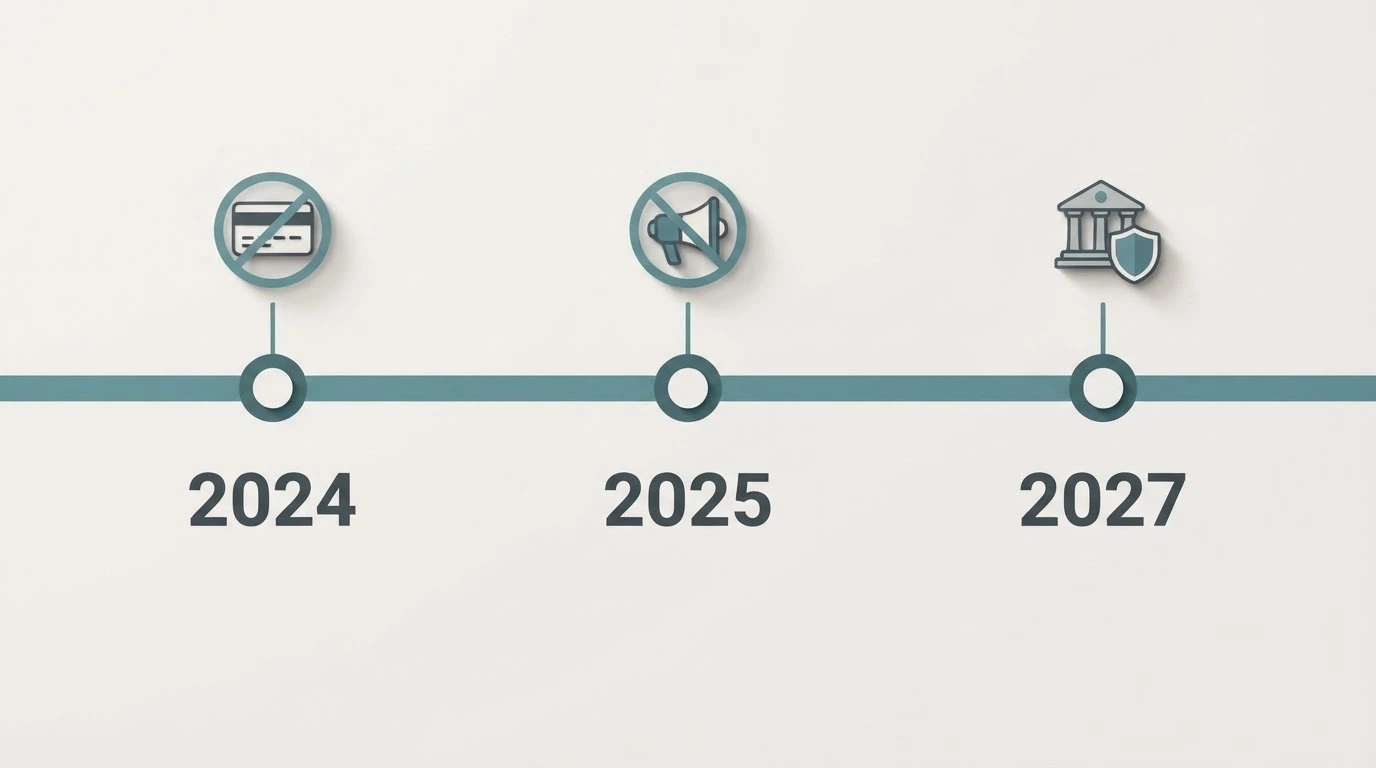
| Effective Date | Reform Measure | What It Means for Casino Promo Codes |
|---|---|---|
| 1 January 2027 | Hourly ad cap: no more than three wagering ads per hour between 6:00 am and 8:30 pm on broadcast | The volume of wagering advertising Australians see during the day is capped, reducing the channel that carries offshore-casino affiliate traffic |
| 1 January 2027 | Live-sport blackout: no wagering advertising from 15 minutes before a live sporting event until 5 minutes after it ends | Ad inventory around live sport, currently a major affiliate channel, is closed |
| 1 January 2027 | Direct marketing of inducements prohibited for 14 days after sign-up and three months after BetStop deregistration | The post-sign-up window for bonus-code marketing is the most directly targeted — inducements are exactly what a casino promo code is |
| 1 January 2027 | Banks and payment providers gain express authority to block transactions to illegal gambling operators | A player whose bank exercises this authority will see deposits and withdrawals to offshore casinos refused at the payment layer |
| 1 January 2027 (three-year phase) | National ad reform with a phased implementation across broadcast, online and radio | The full reform is staged across three years; the table here captures the measures commencing on day one |
The three-year phased implementation sets the cadence. The first-day measures — the ad cap, the live-sport blackout, the inducement ban, the bank-blocking authority — are the most directly relevant to the offshore-casino traffic the reader of this page is already inside. The later-phase measures affect the licensed wagering advertising environment more than the offshore casino market itself.
What the 2026 Reform Means for Casino Bonus Marketing
The reform’s inducement and advertising restrictions are aimed at the licensed wagering market, not the offshore casino market. The offshore casino is already prohibited from providing its service to Australians, so a new inducement rule does not change its legal status. What changes is the licensed market’s behaviour around the marketing windows the offshore market uses to acquire Australian players. The 14-day post-sign-up inducement ban, in particular, targets the same advertising channel that casino promo-code aggregations rely on.
For the reader of this page, the practical consequence is that the marketing environment around licensed wagering is tightening at the same time the offshore casino market is being squeezed by payment-block authority and ad-volume restrictions. The two trends point in the same direction. Whether they make an offshore casino promo-code offer harder to find, slower to fund or more visible to a regulator’s downstream check is the open question. The reform does not criminalise the player; it changes the channel the player would have used.
Payment Methods: The Credit Card and Crypto Ban
Since 11 June 2024, credit cards, credit-related products and digital currency (crypto) have been banned as payment for online wagering in Australia. The Interactive Gambling Amendment (Credit and Other Measures) Act 2023 gave the prohibition its statutory form; the penalties for offering or using a banned payment method reach up to A$247,500. The ban applies to licensed wagering operators — and, by virtue of the operator’s status, it is also the clearest signal a player has about whether a site is licensed at all.
An Australian who is asked for a credit card or a crypto deposit by a gambling site is being served by someone outside the Australian rules. A licensed wagering operator offers debit card, bank transfer, PayID/Osko or BPAY; identity verification is required up front. An offshore casino offers whatever its payment processor supports, which usually includes credit card and crypto. The cashier screen is, in effect, a status indicator. If the payment options on the screen are the banned options, the operator’s status is clear.
The legal deposit routes for licensed wagering are limited for a reason. They leave a verifiable transaction trail, they interact with Australian consumer protection law, and they are subject to the credit assessment framework that governs credit-card use. The banned routes were banned because the government concluded they were being used to fund gambling beyond the consumer’s means. The offshore casino, by offering them, is not breaking a payment rule specific to itself; it is signalling that it is not part of the system the rule was written for.
From 1 January 2027, banks and payment providers gain express authority to block transactions to illegal gambling operators. A player whose bank exercises that authority will see the deposit or withdrawal declined at the payment layer, before the offshore casino’s own fraud and anti-money-laundering checks come into play. The mechanism is not a criminal prosecution. It is a refusal to process.
The Safeguard Most Promo-Code Pages Leave Out
A reader who lands on a casino promo-code page is usually not looking for the helpline number. They are looking for the bonus. The reason this page includes the safeguard infrastructure is that the reader is, by definition, inside an unlicensed product market — and the licensed-market safeguards they might assume protect them are not operating. BetStop does not cover offshore casinos. The Australian Communications and Media Authority does not mediate player disputes with offshore operators. The credit-card ban is not a refund guarantee; it is a restriction on licensed operators.

This section is not a postscript. It is part of the comparison a reader makes when they decide whether to engage with the offer at all.
BetStop — Self-Exclusion and What It Covers
BetStop, the National Self-Exclusion Register, launched on 21 August 2023. It allows a person to register once and be excluded from every Australian-licensed online and phone wagering service. By the end of Q1 FY 2025–2026, 49,382 people had registered and 31,838 exclusions were active. By 31 July 2026, the figures had grown to 67,480 registrations and 41,290 active exclusions. Seventy-eight per cent of registrants are under 40, and 38% have chosen lifetime exclusion.
The coverage is wide but bounded. BetStop covers approximately 150 Australian-licensed wagering providers — the licensed bookmakers, the TAB brands, the licensed sports and racing operators. An offshore casino is not licensed here, is not connected to the register, and is not required to honour a BetStop registration. A player who has self-excluded through BetStop and then opens an account at an offshore casino is not protected by the exclusion they registered for. The casino will accept the deposit, take the bets and process the withdrawals without reference to the register. The exclusion stops at the offshore boundary.
The awareness gap is the other half of the picture. Only about one in three wagerers (33.5%) know that BetStop exists, and around one in four Australian adults (26.5%) are aware of it. An estimated five million wagerers are active nationwide, including around 400,000 high-risk gamblers — yet just 30,000 individuals have self-excluded through BetStop. The ratio is not a measure of how many people need help; it is a measure of how many have reached the register. The rest of the at-risk population is being reached, if at all, by other services. Awareness is the gap.
Gambling Harm in Australia — the Numbers Behind the Offers
The bonus-code economy Australians are searching inside sits on top of a prevalence base that is large and, in some respects, growing. About 2.1% of Australian adults — roughly 430,000 people — experience problem gambling, and high-risk gambling sat at 1.8% per the Australian Institute of Health and Welfare’s most recent comparable figure. The ANU’s 2025 gambling participation study found that risky gambling in Australia increased from 13.7% in 2024 to 19.4% in 2025 — almost doubling since the COVID-19 lockdowns. Overall gambling participation declined to 58.8% in 2025, continuing a long-term downward trend; 56.1% of individuals who gambled did so mainly online in the past 12 months.
The harm is not distributed evenly. Approximately 5.9% of Australian adults reported being harmed by another person’s gambling in the past 12 months. Out of every 100 Australian adults, approximately 14 are directly affected by gambling harm, and around 9.2 of those are classified as at-risk or problem gambling. Aboriginal and Torres Strait Islander Australians face a 27.1% risk of gambling harm, compared with 14.6% of non-Indigenous Australians. The disparity is structural, not anecdotal, and it does not narrow in the offshore-casino segment specifically because no segment-specific data is collected.
These figures are the backdrop to the offer page. A casino promo-code page is a marketing channel; the numbers above are the population the marketing is aimed at. A reader who is on this page and recognising themselves or someone close in any of these categories has reached the section this page was written to include.
Where to Get Help — Helplines, Chat and Self-Assessment
The free, confidential services available to Australians are listed below. None of them is gated by what the reader has or has not deposited at an offshore casino; none asks the reader to identify the operator they have been using.
- National Gambling Helpline: 1800 858 858 — free, confidential, staffed 24/7
- Gambling Help Online — online chat, email support, self-assessment tools
- BetStop — the National Self-Exclusion Register, registers exclusion from approximately 150 licensed Australian wagering providers in one step (does not cover offshore casinos)
- State and territory gambling-counselling services — face-to-face and telehealth options through each state’s gambling-help programme
The helpline is the front door. Gambling Help Online is the online channel. BetStop is the self-exclusion tool. State services are where ongoing counselling and financial counselling sit. A reader who wants a self-assessment before making a decision about a code can find one at Gambling Help Online without registering or identifying themselves to any operator.
How We Evaluated These Casino Promo Codes
The evaluation behind this page is built on three sources. The first is the Interactive Gambling Act 2001 and the Australian Communications and Media Authority’s enforcement record, which together establish the licence status of every operator on the Australian-facing market. The second is a traffic-and-revenue dataset that ranks the ten featured brands by Australian-facing market share and reports their revenue. The third is the Australian-facing bonus-aggregation pages that document the no-deposit offers and the broader 200+ codes verified across Australian-facing casinos in 2026.
The operator selection criteria are simple: Australian-facing market share and revenue, in that order. The featured ten are the brands that dominate the Australian-facing traffic in the dataset; nothing in the ranking implies that any of them is a recommended choice. The licence-status cross-check is the Interactive Gambling Act 2001 itself. No operator in the featured set holds an Australian licence for online casino, because no such licence exists. None will.
The limit of this evaluation is in the bonus terms. Welcome-bonus amounts, free-spin counts, wagering requirements, bonus validity windows, maximum cashout caps and game providers were not independently confirmed from the operators’ own pages for this run, because the operator-sweep calls that would normally populate those fields could not be completed. The “—” cells in the comparison table and the qualitative language in the operator write-ups reflect that verification gap. A reader who wants to act on a specific operator’s terms should check the operator’s own promotional page and terms-and-conditions document before depositing. The market-share and revenue figures are from a separate dataset and are not affected by the bonus-term verification gap.
What this page does not do is endorse an operator. It describes them. The ranking reflects scale, not quality, and the licence status is uniform across the table. The reader’s decision is on the offer terms, the protection framework and their own limits — three things this page provides the data for, and one of which the offshore market does not provide the framework for at all.
What Australia’s Promo-Code Market Means for You in 2026
The casino promo-code market Australians search inside is, in practical terms, a single market with many wrappers. The wrappers differ: no-deposit, free-spins, deposit-match, exclusive partner codes, seasonal codes, codes that route through one affiliate or another. The product underneath is the same — an offshore, unlicensed online casino offering bonus credit in exchange for a player’s sign-up and deposit. The headline generosity varies by wrapper. The protection framework does not, because there is no framework.

What a reader can check on any code, before claiming it: the wagering requirement—the 30x–50x range is the market, and lower is better. Check whether the multiple applies to the bonus only, or to deposit plus bonus; the doubling of the turnover requirement at 40x on deposit plus bonus is the single biggest difference between an offer that looks generous and one that is. The validity window—the 7–30 day range is the market, and shorter is worse; a bonus with a 40x requirement and a 3-day window is functionally uncatchable for most players. The game contribution—pokies contribute 100% across the market, while table games typically 10–20%; a player who prefers table games will clear the wagering at one-fifth to one-tenth of the rate, and the bonus may expire before clearing at all. The maximum cashout—the cap is the difference between a no-deposit code that pays out and one that does not; no-deposit caps are tight, and deposit-match caps vary widely.
Beyond the offer terms, the licence status is the larger question. No online casino is licensed in Australia. An Australian player who opens an account at any operator on this page has no Australian Communications and Media Authority recourse for a refused withdrawal, no BetStop coverage if they later decide to stop, no Australian consumer protection law backing the transaction, and a real possibility that the site is blocked by an Australian ISP while the account balance sits with the operator. The payment-method check is the cleanest indicator — a cashier offering credit card or crypto is outside the Australian rules. The deposit routes licensed wagering uses (debit card, bank transfer, PayID/Osko, BPAY) are not the deposit routes an offshore casino offers.
For real-money play inside an Australian consumer-protection framework, the licensed wagering operators — sports and racing bookmakers licensed by the Northern Territory Racing and Wagering Commission or a state regulator — are the only legal path. They do not offer online casino games, and that is not a gap in the market; it is the law. The casino promo-code economy Australians find through search is, by definition, a market for a prohibited product. The codes are real. The offers they unlock are real. The protection layer that a reader might assume exists does not.
For a reader who is considering a code because the bonus looks generous, the question to ask is what the wagering, validity, game-contribution and max-cashout terms do to that generosity. For a reader who is considering a code because the search has put an offshore casino in front of them and they want to know what the legal status is, the answer is in the section on the legal framework. For a reader who recognises themselves in the gambling-harm figures in the section on safeguards, the helpline is 1800 858 858. The line is free, confidential and staffed around the clock.
Frequently Asked Questions
Is it legal to claim a casino sign-up code from an offshore site?
Claiming the code is not an offence under Australian law — the Interactive Gambling Act 2001 targets the provider, not the player. The offshore operator offering the code is the entity breaking the law. A player engaging with an offshore casino has no Australian consumer protection, no Australian Communications and Media Authority complaints process, no BetStop coverage, and no guarantee of withdrawal. Legality and safety are separate questions; both apply.
How do I use a casino promo code when signing up?
Copy the code from the affiliate page, check the minimum deposit the offer requires, enter it at the registration form or cashier’s bonus field, verify the bonus is active in the account before depositing, note the validity window and the maximum bet allowed while the bonus is active, and track the game contribution rate by type so the wagering clears. The claim step takes under a minute; the clearing step decides what the player keeps.
What are wagering requirements on casino promo codes?
A wagering requirement is the multiplier applied to a bonus — sometimes to deposit plus bonus — before any of the balance converts to withdrawable cash. The Australian-facing market runs 30x to 50x. A A$100 bonus at 40x requires A$4,000 in qualifying bets. Pokies count 100%; table games 10–20%, with some games excluded entirely. The headline percentage on a deposit-match code is meaningless without the multiplier beside it.
Are free-spin bonus winnings actually cashable?
Spin winnings land as bonus money, not cash. They are subject to wagering — typically 30x to 50x — and to a maximum cashout cap. Validity is short: 7–30 days on the bonus, with the spins themselves often expiring within 24 hours of landing. The marketing is designed to make the offer look cashable; the terms usually prevent it.
What is the maximum I can cash out from a no-deposit bonus?
The maximum cashout is hard-capped by the operator’s terms. Across Australian-facing offers, the cap is typically a small multiple of the bonus — a A$10 no-deposit might allow a A$50 cashout, for example. Anything above the cap is forfeit when the bonus clears. The cap is the single most important figure on a no-deposit code, because it determines whether the winnings are real money or, effectively, marketing spend.
How does BetStop protect me from gambling harm?
BetStop, the National Self-Exclusion Register, lets one registration exclude a person from approximately 150 Australian-licensed online and phone wagering services. The protection covers licensed bookmakers, TAB brands, and licensed sports and racing operators. An offshore casino is not connected to the register and is not required to honour the exclusion — the protection covers licensed wagering and stops at the offshore boundary.
What payment methods can I use at Australian online casinos?
For licensed wagering operators, legal deposit routes are debit card, bank transfer, PayID/Osko and BPAY. Credit cards and crypto have been banned for online wagering since 11 June 2024. An offshore casino offering credit card or crypto is not under Australian rules. From 1 January 2027, banks can block transactions to illegal operators at the payment layer.
What changes in 2027 will affect casino advertising and bonus offers in Australia?
The Interactive Gambling Amendment (Gambling Reform) Bill 2026 passed on 19 August 2026, commencing 1 January 2027. From that date: three wagering ads per hour maximum between 6am and 8:30pm; a live-sport blackout from 15 minutes before an event; inducement marketing banned for 14 days post sign-up; and banks authorised to block illegal-operator transactions.