Live Casino Online in Australia: What the Numbers Actually Show in 2026
 Available in AU
The dealer is real. The studio is in Latvia, Malta, Romania or the Philippines. The licence is in Curaçao or Kahnawake. Every live casino an Australian reaches in 2026 is an offshore operator, because the Interactive Gambling Act 2001 makes it an offence to provide online casino games to a person physically in Australia. No Australian licence exists for this product. The land-based casino down the road holds a state licence; the site that streams a real roulette wheel to your browser does not. That distinction shapes everything that follows — the bonus terms, the consumer protections you do not have, and the way to read a “live casino” review without being sold something the regulator will not stand behind.

Data current as of 18 October 2026; licence claims verified against the ACMA register and operator terms pages.
Table of Contents
- What a live casino actually is — and why your dealer isn’t in Australia
- The live tables Australians actually play — and where the best odds hide
- The 10 offshore live casinos Australians are playing at in 2026
- Why your live casino bonus is harder to clear than the headline says
- Playing live dealer games on your mobile
- Can you play live casino for free? The demo-mode reality
- The studios, software and providers behind every live stream
- Australia’s online casino ban — what the IGA actually means for you
- Where BetStop can reach you — and where it can’t
- How we selected and ranked these live casinos
- What the numbers actually tell you about choosing a live casino
- Frequently asked questions
What a live casino actually is — and why your dealer isn’t in Australia
A live casino is a real gaming table inside a studio, streamed to your browser or phone by a team of cameras while a real dealer runs the game in real time. You place bets through an on-screen interface layered over the video feed. Cards are dealt from a real shoe or by hand, the roulette wheel is physical, and the result is read by an optical sensor before it appears in your window. The chat box lets you talk to the dealer; the dealer talks back. It looks and feels like a casino floor because, in production terms, it is one — built for television rather than for the room.
The format is the closest thing online gambling has to a bricks-and-mortar product. The mathematics are the same as a casino floor: live blackjack pays 3:2, European roulette pays 35:1 on a single number, the baccarat Banker bet still loses 5% to commission. What changes is the consumer layer. The regulator on the wall of a Melbourne casino is the Victorian Commission for Gambling and Liquor Regulation; the regulator on the wall of a Curaçao studio is the Curaçao Gaming Authority. One of those bodies has jurisdiction over an Australian player’s complaint. The other does not.
There is no Australian licence for online casino, and the product cannot be licensed here. The Interactive Gambling Act 2001 prohibits the provision of online casino games, online pokies, in-play sports betting and live-dealer games to a person in Australia. It is an offence to provide or advertise these services to customers here. The law targets the provider, not the player — no individual has been prosecuted for placing a bet — but the consequence is structural: the entire AU-facing live-casino market is, by definition, an offshore one. That is the headline that any review of this product has to lead with, because everything downstream — bonus terms and complaint channels — follows from it, and no Australian licence exists to provide deposit or payout guarantees.
The live-dealer experience: real humans, real tables, real-time
A live table looks more like a television studio than a casino pit. The dealer stands or sits behind a green-felt table mounted with multiple cameras: a wide shot, an overhead for the betting grid, a close-up on the cards or wheel. Production lighting flattens the contrast. A bank of monitors behind the dealer shows the betting interface as each remote player sees it, with chip stacks and active bets. A game-control unit — the small black box bolted to every table — encodes the dealer’s actions into the video stream, so a card drawn off the shoe appears in your window within a second or two of being dealt. The dealer hears you through the chat box. They are paid to be pleasant. They are also paid to keep the game moving.

The betting interface is where most of the action actually happens. You drag chips onto a betting position — a number, a colour, a hand — and the timer counts down. Most tables give you 10 to 15 seconds to confirm a bet before the round locks. A missed timer means the round plays without you. Once the result resolves, winning bets settle instantly and the next round opens. Table limits at AU-facing casinos run from A$0.10 minimum stakes on standard tables to A$25,000 or more per hand in VIP-exclusive rooms — a spread that lets a casual punter sit next to a high roller at the same studio.
The round cadence varies by game. Standard live roulette deals around 40 rounds an hour, one every 90 seconds or so. Speed Roulette — a tighter variant now common in AU-facing lobbies — cuts each round to 27 seconds, producing roughly 60 rounds an hour. That is a real difference for a player running a betting system: more rounds per hour means more variance per hour, and a bankroll that would last 90 minutes at a standard table can be gone in 60 at a speed table. The math of the game does not change. The exposure does.
Why every live casino an Australian can access streams from overseas
Live studios cluster in a small number of countries for reasons of cost, regulation and time-zone overlap with Europe. Evolution, the largest live provider by catalogue size, runs studios in Latvia, Malta, Georgia, Romania, Canada, the Philippines and a handful of other locations. Pragmatic Play Live operates out of Romania and Bulgaria. Playtech Live is studio-based in Latvia and the Philippines. None of them operate in Australia, and none can — under the IGA, a studio physically located in Australia and streaming live-dealer games to an Australian audience would be committing an offence.
That is the practical consequence: every dollar wagered at a live table on an Australian screen leaves the country. The dealer pays tax in Romania. The licence fee is paid in Curaçao. The dispute, if you have one, is governed by whatever terms-and-conditions document the operator decided to publish. ACMA, the regulator that blocks illegal gambling sites and issues formal warnings to operators, has no consumer-side complaint channel for offshore casino losses. Its own message is blunt: even if a service looks legitimate, it is unlikely to have important customer protections, and Australians who use illegal gambling services risk losing their money. That is the regulator writing what the rest of this page will repeat.
The live tables Australians actually play — and where the best odds hide
The live lobbies Australians reach carry the same handful of game types regardless of which offshore operator hosts them. The variation is in studio, dealer, side bets and round speed. The mathematics is largely fixed, because the games themselves do not change. Knowing where the lowest house edge sits is the single most useful thing a player can take from a page like this one — and the answer is unambiguous: it is the blackjack table.
| Game & Variant | House Edge | RTP | Provider |
|---|---|---|---|
| European Roulette (single zero) | 2.70% | 97.30% | — |
| American Roulette (double zero) | 5.26% | 94.74% | — |
| French Roulette (La Partage, even-money) | 1.35% | 98.65% | — |
| Lightning Roulette | ~3.70% | ~96.30% | Evolution |
| Quantum Roulette (up to 500x multipliers) | — | — | Playtech |
| Live Blackjack with basic strategy (S17) | ~0.5% | ~99.5% | Evolution |
| Playtech Live Blackjack with basic strategy | — | n/a | Playtech |
| Infinite Blackjack (unlimited seats, 8 decks) | — | — | Evolution |
| Baccarat — Banker (5% commission) | 1.06% | n/a | — |
| Baccarat — Player | 1.24% | n/a | — |
| Baccarat — Tie | 14.4% | n/a | — |
| Lightning Baccarat (after 20% lightning fee) | — | 98.76% | Evolution |
| Bac Bo (dice-based baccarat) | — | 97.85% | Evolution |
The house edge figures are mechanical, not marketing. A 2.70% edge on European roulette means a player loses, on average, A$2.70 for every A$100 wagered over a long session. The 14.4% edge on a baccarat Tie bet means a player loses A$14.40 per A$100. These are the numbers that determine how long a bankroll lasts, and they are the same at every studio and every operator — what changes is the side-bet overlay, the round speed and the marketing word that introduces them.
Live blackjack: the lowest house edge an Australian player can find
Live blackjack is the mathematical standout. With basic strategy — the published chart of correct decisions for every hand combination — a player at a standard S17 table (dealer stands on all 17s) faces a house edge of roughly 0.5%. That is a half-dollar expected loss per A$100 wagered, lower than any other game on the live floor. Playtech’s live blackjack variant reports a 99.5% return-to-player with basic strategy, the highest certified RTP among live-dealer games available to AU players. The difference is small in percentage terms but visible over a session: a player who would lose A$500 at a 2.70% roulette edge over a couple of hours can expect to lose closer to A$90 at a 0.5% blackjack edge over the same period, all else equal.
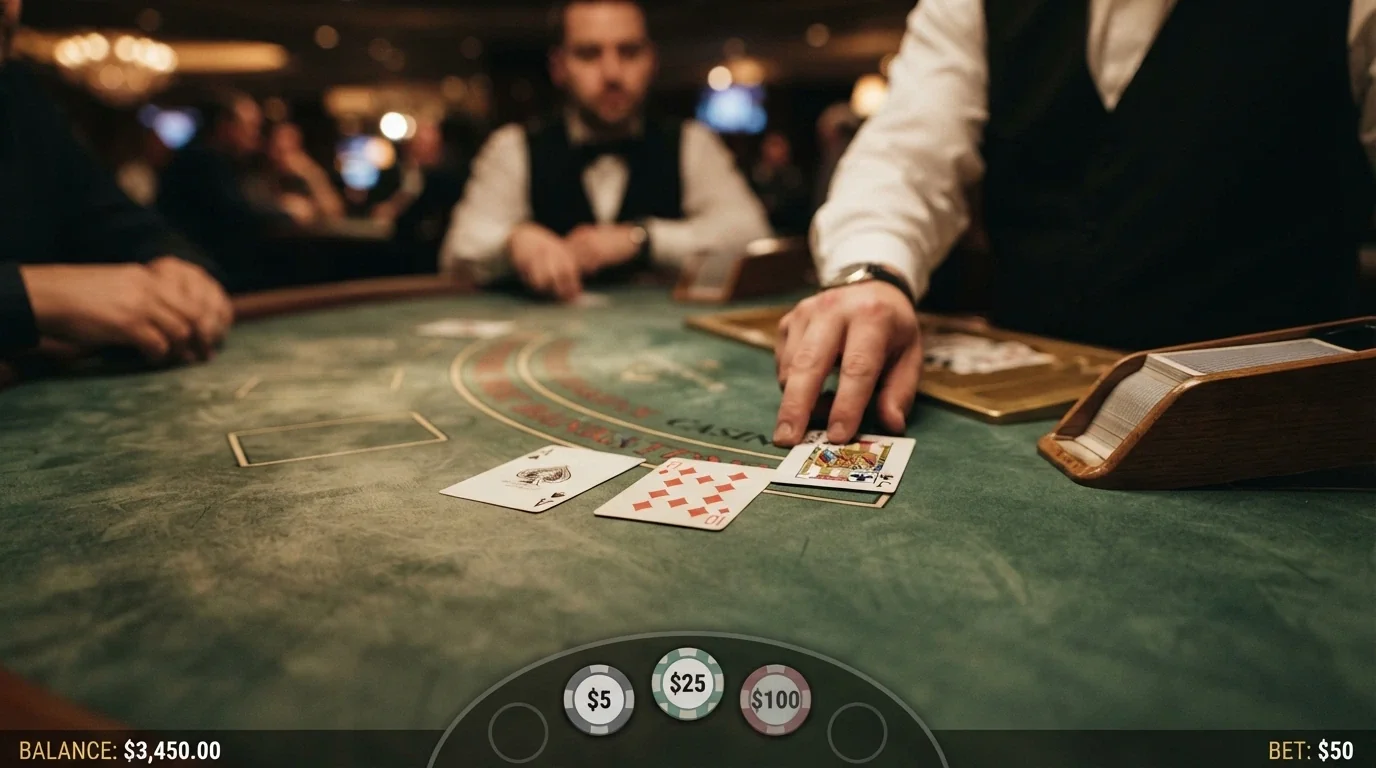
The game most Australian-facing lobbies lead with is Evolution’s Infinite Blackjack. It runs on eight decks, seats an unlimited number of players (each decision is made independently against the same dealer hand), and supports side bets — 21+3 pays 9:1 on a suited poker combination formed from the player’s first two cards and the dealer’s upcard, Perfect Pairs pays 25:1 on a suited pair. Those side bets are where the operator makes its margin: 21+3 carries a house edge around 3.7%, Perfect Pairs roughly 4.8% on the coloured-pair line. A player who sticks to the main hand and ignores the side bets is the player closest to the 0.5% figure. A player who treats the side bets as the main event is back at the kind of edge a roulette wheel offers.
Speed and VIP variants are essentially the same game with different pacing and table limits. Speed Blackjack deals hands faster and runs more rounds per hour. VIP Blackjack raises the table ceiling and lowers the minimum deck count. The house edge, played correctly, stays inside a narrow band. The bankroll volatility — how much a session can swing — does not. That distinction matters more to a casual player than the half-percentage-point differences between variants.
Live roulette: European, American and the multiplier-charged variants
Roulette’s house edge is set by the wheel, not the studio. A European wheel has one zero, an American wheel has two. The single extra number on the American wheel — 00 — adds 2.56 percentage points of house edge: 5.26% on the American wheel versus 2.70% on the European. There is no skill that closes that gap. It is purely a question of which wheel a player chooses to sit at. Every AU-facing live lobby offers European roulette; many also offer American. The page should not need to tell a reader which to pick, but it does, because the marketing word for the American variant is often the same as the marketing word for the European one.
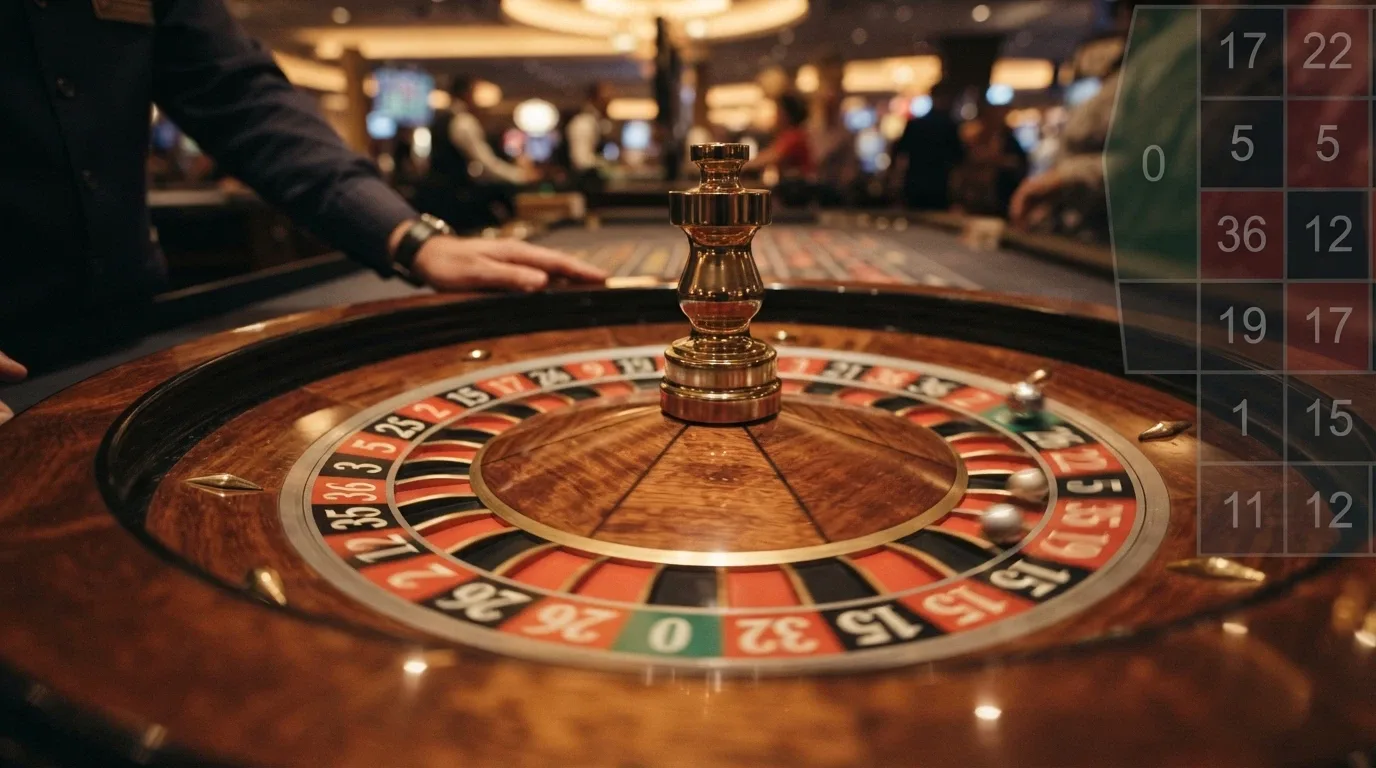
French Roulette with the La Partage rule halves the house edge on every even-money outside bet (red/black, odd/even, high/low). When the ball lands on zero, the player loses only half their even-money stake rather than the full amount. The edge on those bets drops to 1.35%. La Partage applies only to outside bets — straight-up number bets still carry the standard 2.70% edge — but for a player who bets red-and-black or odd-and-even by the session, it is the cheapest roulette on the floor.
The multiplier-charged variants — Lightning Roulette (Evolution), Quantum Roulette (Playtech) — are a different proposition. They add a random multiplier of 50x to 500x on straight-up numbers, paid out of a pool funded by reducing the straight-up payout from the standard 35:1 to 29:1. The result is a game with a slightly higher house edge (~3.70% for Lightning Roulette, against the European baseline of 2.70%) and the chance of an occasional 500x hit. The trade-off is structural: every straight-up bet effectively pays less, and the multiplier is funded by that reduction. The 500x headline is real; the 3.70% edge is also real. They sit on the same bet.
Aussie Speed Roulette runs about 60 rounds an hour against the standard 40, which is roughly a 50% increase in exposure per hour for a player betting flat stakes. The mathematics of the wheel do not change. The pace does.
Live baccarat: Banker, Player and the lightning-charged versions
Baccarat’s three core bets carry wildly different edges, and the spread is the largest of any live-dealer game. The Banker bet — statistically the strongest because the banker draws last and acts on the player’s hand — sits at 1.06% house edge after a 5% commission on wins. The Player bet is 1.24%, with no commission. The Tie bet is 14.4%, a number so steep that a serious player treats it as a tax on optimists. None of these figures depend on the studio or the operator; they are properties of the shoe.
The lightning-charged variants inflate those edges in exchange for multiplier payouts. Lightning Baccarat runs on the same Banker/Player/Tie structure but charges a 20% lightning fee on every winning hand and uses the fee pool to fund multipliers of up to 8x. The Banker bet settles at 98.76% RTP after the fee — a worse number than the standard 98.94%, but with the chance of a multiplied payout. Bac Bo, Evolution’s dice-based baccarat variant, returns 97.85% RTP on Player/Banker bets, which is a lower figure than the card game. The marketing sells the multiplier; the math shows a worse base case.
Game shows, poker and everything else on the live floor
Beyond the three table classics, AU-facing live lobbies carry game-show titles, poker variants and niche tables. Crazy Time, Dream Catcher, Mega Ball — the Evolution catalogue — are money-wheel and lottery-format games with variable RTP, generally worse than the table classics and marketed heavily. Casino Hold’em and Three Card Poker are the most common live poker variants; both run at a higher house edge than blackjack, usually above the 2% line. Sic bo, Dragon Tiger and live craps appear at some operators. None of them match blackjack’s 0.5% edge, and most sit closer to the roulette numbers.
These novelty tables are where the studio makes its margin and where a casual player bleeds bankroll fastest. They are also where the marketing is loudest: bright colours, big multipliers, animated hosts. The base-case RTP is often buried in a help screen. A reader who came to this page for “best odds” should treat the game-show section as a tax on curiosity.
The 10 offshore live casinos Australians are playing at in 2026
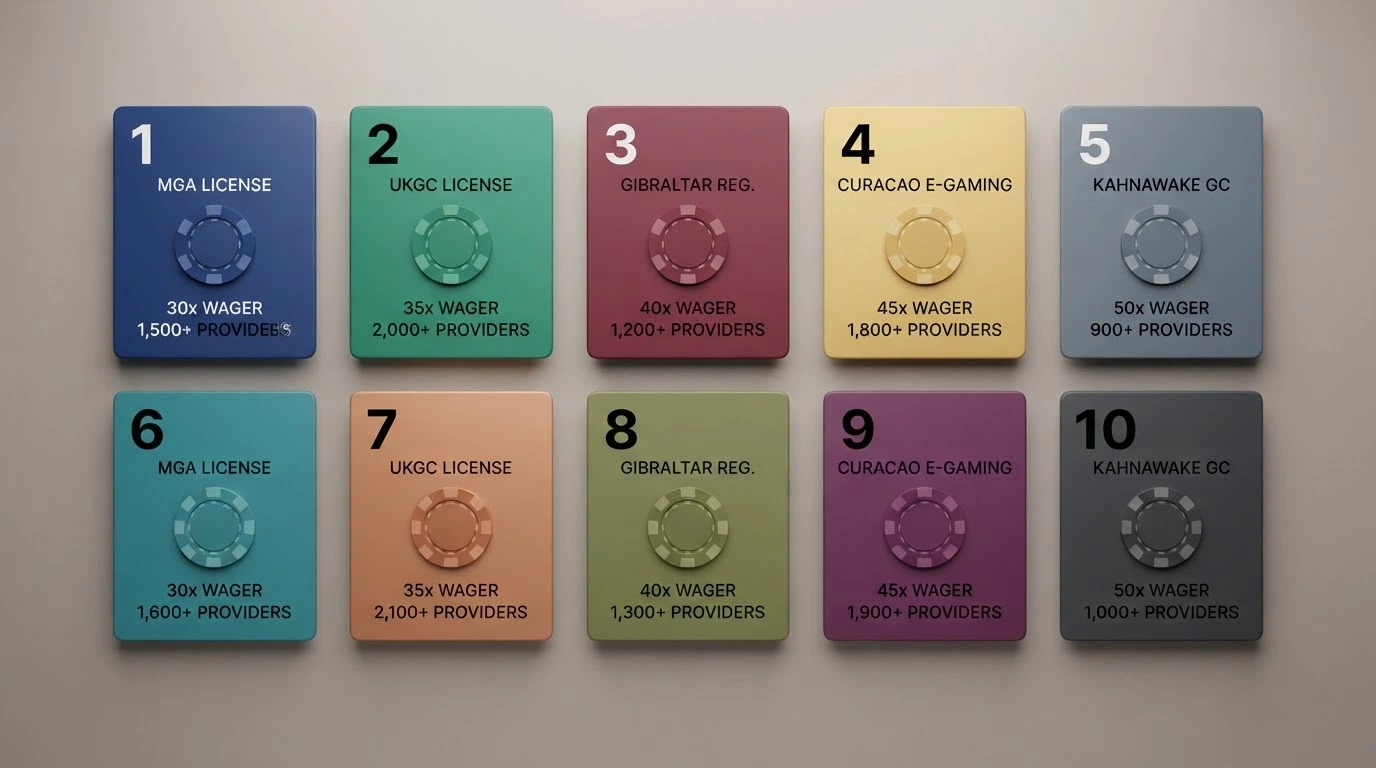
Every operator below is offshore. None holds an Australian casino licence, because the product cannot be licensed here. The table is ranked by documentation completeness: operators whose welcome terms, wagering requirements and live-provider lists are captured in the underlying source data sit at the top, and operators with patchier public bonus information sit lower. The page does not pick a winner. It puts the same set of numbers in front of the reader and lets the maths speak.
| Operator | Licence / Status in AU | Welcome Bonus (AU-facing) | Wagering Requirement | Live Game Providers |
|---|---|---|---|---|
| SkyCrown | Offshore (Curaçao) — Metlait SRL; NOT licensed in AU | A$8,000 + 400 FS package across 4 deposits; first deposit 100% up to A$500 + 100 FS | 40x bonus / 30x FS winnings | Evolution, Pragmatic Play Live, Playtech, Play’n GO |
| RocketPlay | Offshore (Curaçao Gaming Authority); NOT licensed in AU | 100% up to A$500 + 100 FS (1st); 200% up to A$500 (2nd) | 40x bonus | Evolution, Pragmatic Play, others |
| Royal Reels | Offshore; NOT licensed in AU (blocked by ACMA per industry coverage) | 100% up to A$500 + 50 FS; A$10 no-deposit after phone verification | 30x–35x bonus | 40+ providers including Evolution |
| Bizzo Casino | Offshore — Curacao Gaming 365/JAZ, Kahnawake 00867; operator Dama N.V.; NOT licensed in AU | 100% up to A$100 + 100 FS (1st); 50% up to A$300 + 50 FS (2nd) | 40x | 30+ studios incl. Evolution, Pragmatic Play, NetEnt, Play’n GO |
| Fair Go Casino | Offshore (RTG-powered, Curaçao); NOT licensed in AU | 100% up to A$200 × 5 deposits (A$1,000 total) | 30x deposit + bonus | RealTime Gaming |
| Stake | Offshore (Curaçao); crypto-focused; NOT licensed in AU | — | — | Pragmatic Play, Evolution, Hacksaw, others |
| WinSpirit | Offshore; NOT licensed in AU | — | — | — |
| Rainbet | Offshore; crypto-focused; NOT licensed in AU | — | — | — |
| Scream Casino | Offshore; NOT licensed in AU | — | — | — |
| Bet365 | Licensed wagering (NT, via NTRWC); live casino product is offshore and NOT covered by the AU licence | — | — | — |
A blank cell here is not a verdict against the operator. It is what the underlying source data captured, and what was not captured, in the run that produced this page. The “Licence / Status in AU” column is the only one whose values are settled: every operator in this table operates from outside Australia, and every Australian player reaches it through an offshore channel. There is no row in this table where the licence column reads “Australian casino licence” — that licence does not exist.
SkyCrown
SkyCrown is the most fully documented AU-facing live-casino operator in this set. The headline offer is a four-deposit welcome package totalling up to A$8,000 plus 400 free spins; the first deposit alone is a 100% match up to A$500 plus 100 free spins on Book of Dead, with 40x wagering on the bonus and 30x on free-spin winnings, a 14-day validity window, and a A$20 minimum deposit. A$5 is the maximum bet during bonus play. Those are workable numbers for an offshore welcome — neither generous nor stingy by market standards.
The genuinely interesting SkyCrown term is the cashback. The operator runs a 10% weekly live casino cashback up to A$1,500, credited every Wednesday, with a minimum qualifying loss of A$150 and — the structural point — zero wagering requirement on the cashback itself. That is the only bonus number on this page that asks for nothing back. The welcome bonus carries a 40x multiplier on a bonus amount; the cashback carries no multiplier at all. A player who expects to lose money on live tables anyway will net more from a cashback structure than from a deposit-match structure, because nothing is being clawed back at the end.
The catch sits in the wagering-contribution table. SkyCrown allocates 100% of wagering contribution to pokies, 10% to table games, and 5% to live casino. The headline 40x bonus wagering on a A$500 first-deposit bonus implies A$20,000 of qualifying turnover. If a player tries to clear that turnover at a live blackjack table, only 5% of each A$100 wagered counts toward the requirement — meaning the player needs to wager roughly A$400,000 of live play before the bonus is cleared. That is not a bonus designed for live-dealer play. It is a pokies bonus that accepts a small live-dealer trickle.
For a punter who plays live blackjack weekly and loses A$150+ most weeks, the cashback is the relevant SkyCrown term. For anyone chasing the welcome package through the live lobby, the maths is unfavourable enough that the cashback becomes the only SkyCrown number worth chasing.
RocketPlay
RocketPlay runs a two-deposit welcome: 100% up to A$500 plus 100 free spins on the first deposit, 200% up to A$500 on the second. Both deposits carry 40x wagering on the bonus amount. The maximum bet while wagering is capped at A$7.50 — a tighter cap than SkyCrown’s A$5 allows in the opposite direction — and free spins land on West Town at an unspecified stake per spin. The free-spin value is what the reader cannot check from this page, and that is the gap research left open this run.
The 200% second-deposit match is unusual. Most AU-facing welcomes step the second deposit down — 100% first, 50% second — because the second deposit is harder to monetise for the operator. A 200% match on the second deposit inverts that logic and effectively prices the welcome as a “deposit twice” structure. Whether that is favourable depends on the player’s expectation of withdrawing anything: the same 40x multiplier applies, and a A$500 bonus on a A$250 second deposit still requires A$20,000 of qualifying turnover before withdrawal is permitted.
RocketPlay is a more modest welcome than SkyCrown in total bonus value but a comparable structure on the wagering terms. For a player who would deposit twice anyway, the 200% second-deposit match is the standout feature; for a player who would deposit once and stop, SkyCrown’s larger first-deposit package is the more relevant comparison.
Royal Reels
Royal Reels is the only operator in this set with a confirmed no-deposit offer: A$10 in bonus funds credited after phone verification, before any deposit. The welcome package then layers on top — 100% up to A$500 plus 50 free spins, with 30x–35x wagering on the bonus, A$10–A$20 minimum deposit, and free spins landing at a fixed A$0.20 stake per spin with 35x wagering on the winnings. The library is large: 5,400-plus pokies from 40-plus providers, with a 10-tier VIP program layered on top. By library size, Royal Reels is the most extensive of the offshore brands featured here.
The trade-off is in the licence column. Royal Reels is an ACMA-blocked brand — meaning the regulator has, at some point, directed Australian ISPs to block the site. A site on that list can still be reached, often through a mirror domain or a non-Australian DNS path, but the fact of being on the ACMA block list is itself the regulator’s clearest statement that the brand is operating outside Australian rules. A player who values the no-deposit offer is paying for it with a higher regulator-side risk.
For the punter who wants to test a live lobby without committing a deposit first, Royal Reels is the closest thing to a free trial in this set. For the punter who values an operator the regulator has not flagged, the no-deposit offer is not enough to tip the balance.
Bizzo Casino
Bizzo runs a dual-licence structure: Curaçao Gaming (365/JAZ) and Kahnawake Gaming Commission (00867), under operator Dama N.V. The welcome is modest — 100% up to A$100 plus 100 free spins on the first deposit, 50% up to A$300 plus 50 free spins on the second — with 40x wagering. The headline value is small against SkyCrown’s A$8,000 package, but the wagering structure is comparable. The provider list is the standout: 30-plus studios including Evolution, Pragmatic Play, NetEnt, Play’n GO, Hacksaw Gaming and Nolimit City, which means the live lobby is one of the more fully stocked in the featured set.
The dual-licence structure is worth noting without overstating. A Curaçao licence is the most common offshore credential on this page; a Kahnawake licence adds a second jurisdiction. Neither carries the consumer-protection weight of an Australian licence — there is no ACMA complaints channel, no BetStop coverage, no AU dispute resolution body — but two regulators is more than one, and the page would be remiss not to mention it. Bizzo is a quieter operator than SkyCrown or RocketPlay in terms of headline bonus size, but a more credentialed one on the licence side.
Fair Go Casino
Fair Go is the narrowest live-casino operator in this set by provider: RealTime Gaming (RTG) only, no Evolution, no Pragmatic Play Live. The product is pokies-first. The welcome package is a five-deposit match structure — 100% up to A$200, redeemable five times, for a total of up to A$1,000 — with 30x wagering on deposit plus bonus combined and no maximum cashout on the deposit bonuses. The A$20 minimum deposit is the threshold. No free spins ride on the welcome. No-deposit free chips are available separately, capped at A$180 maximum withdrawal.
The 30x deposit+bonus combined multiplier is the more favourable wagering structure in the featured set: at a 100% match, a A$200 deposit carries A$400 of combined value, requiring A$12,000 of qualifying turnover. That is materially less than SkyCrown’s A$20,000 on a comparable first-deposit bonus. The no-max-cashout term is also distinctive — most AU-facing bonuses cap withdrawals from bonus funds, and Fair Go does not.
The trade-off is the live lobby. RTG does not run a competitive live-dealer studio. A player choosing Fair Go for the welcome is choosing a pokies-and-table-games product with a strong bonus structure, not a fully-featured live casino. For a punter who plays live blackjack weekly, this is the wrong operator. For a punter who plays pokies and treats live tables as a side feature, the bonus maths are the most favourable on the page.
Stake
Stake is the most established crypto-first operator in this set. It runs under a Curaçao offshore licence, accepts Australian players, and lists Pragmatic Play, Evolution and Hacksaw among its live providers — meaning the live lobby is competitive with the more conventional offshore brands featured here. Stake’s typical bonus structure in the AU market differs from the deposit-match model: it tends toward rakeback, weekly races and sportsbook-style promos rather than a casino welcome package, and the specifics of those terms shift frequently enough that this run did not capture a stable live-casino welcome to write up.
For a punter already using Bitcoin or Ethereum, Stake is the most familiar name in this set and the operator most likely to be reachable without a VPN. For a punter looking for a clear A$-denominated welcome bonus, the value proposition is harder to pin down from the data on hand. The live lobby is real; the bonus terms are not what a deposit-match reader expects.
WinSpirit
WinSpirit is a lower-visibility offshore brand in the Australian market — confirmed AU-facing from the operator-level market data this run drew on, but with limited public bonus-term coverage to summarise. The operator runs offshore, is not licensed in Australia, and reaches the AU market through the standard offshore channels. What is not captured here — a stable welcome bonus structure, a confirmed provider list, a documented wagering term — is what the reader will need to verify directly with the operator before depositing.
The honest summary is the short one: a smaller offshore brand in a market dominated by larger names, with too little in the public source data to write a more specific verdict.
Rainbet
Rainbet is the second crypto-focused operator in this set. Offshore, Curaçao-licensed, confirmed AU-facing, with the same kind of limited bonus-term coverage as WinSpirit this run. Its positioning is similar to Stake’s: a crypto-first product for punters already operating in that rail, rather than a deposit-match welcome for a fiat-depositing reader.
Without a stable welcome bonus to write up, the verdict is short. Rainbet is an option for the crypto punter; it is not differentiated enough in the captured data to rank above the more fully documented brands featured earlier in this set.
Scream Casino
Scream Casino holds 0.99% AU market share on revenue of A$94.87 million, against FairGo’s 0.80% on A$69.11 million. These figures place Scream in the same order of magnitude as the more familiar FairGo brand despite the lower public profile. The licence status is the same as the rest of the operators listed here: offshore, not licensed in Australia.
A larger market share does not change the licence column. It does suggest an operator with enough AU-facing volume to be a familiar name to regular offshore players — which is a different kind of recommendation than a bonus structure can provide. For a punter shopping between offshore brands, market share is one signal among several; it is not a substitute for checking the operator’s current terms directly.
Bet365
Bet365 is the only name in this set that holds an Australian licence — and the most important sentence on this page is that the licence does not cover the casino product. Bet365 is licensed for wagering through the Northern Territory Racing and Wagering Commission (NTRWC) via Licensing NT, meaning its sportsbook and racing products are AU-licensed. The live casino product is a separate offering, operated offshore, not covered by the NT licence, and subject to the same offshore-consumer-protection vacuum as every other brand featured here. The Australian licence covers the betting slip; it does not cover the live blackjack table.
For a punter who already has a Bet365 wagering account, the live casino product is reachable and familiar. For a punter who chose Bet365 specifically because the name carries an Australian licence, the page should be read carefully: the licence is real, and it covers a different product than the one this page is about.
Why your live casino bonus is harder to clear than the headline says
A welcome bonus at an offshore live casino is almost always a pokies bonus, not a live-casino bonus. The fine print makes that explicit: pokies contribute 100% of each wager toward the wagering requirement, table games typically 10%, and live casino games often 5% or less. A 40x wagering multiplier on a A$500 bonus implies A$20,000 of qualifying turnover — manageable if the player is running a slot at A$1 a spin and watching the requirement count down quickly. The same multiplier, played at a live blackjack table at the A$10 minimum, requires A$400,000 of qualifying turnover before the bonus is cleared, because each A$10 wager contributes only A$0.50 to the requirement.
The math is mechanical, and it is the reason live-casino play clears a welcome bonus so slowly that most players give up first. SkyCrown’s published structure is a clean example: the welcome is sized for pokies (100% contribution), table games sit at 10%, live casino at 5%. Royal Reels and RocketPlay do not list their live contribution rates in the source data this run captured; the same shape likely applies. The bonus page that markets “40x wagering on A$500” is rarely telling the player that the 40x only counts in full when played on pokies.
The exception to the rule is wager-free cashback. SkyCrown’s 10% weekly live-casino cashback up to A$1,500 carries zero wagering on the credited amount — meaning anything returned to the player is theirs to withdraw. That is the only bonus structure on this page that does not ask for something back at the end. No-deposit bonuses, where they exist, are the other exception: Royal Reels’ A$10 no-deposit after phone verification, and Fair Go’s no-deposit free chips with a A$180 maximum cashout. Both carry wagering requirements on any winnings, but neither requires an upfront deposit.
Welcome bonuses that accept live casino play — and what they actually contribute
The honest comparison across the featured set looks like this. SkyCrown runs a 40x bonus / 30x free-spin wagering structure, with live casino contributing only 5% and table games 10% — meaning a live-dealer player needs to wager roughly 20x the headline turnover requirement to clear it. Royal Reels runs 30x–35x on the bonus amount, slightly more favourable on the multiplier, with a comparable contribution structure implied. RocketPlay runs 40x on bonus, with a A$7.50 maximum bet cap during wagering that constrains how quickly a player can grind the requirement. Bizzo runs 40x. Fair Go runs 30x on deposit + bonus combined, which is the most favourable wagering structure in the set — and the one not designed for live-dealer play.
Translated into the actual effort required to clear a A$500 first-deposit bonus at a live blackjack table with a 5% contribution rate, the player is looking at roughly A$400,000 of qualifying live wagering before withdrawal is permitted. Even at a A$25 hand, that is 16,000 hands — a session length that no realistic bankroll survives. The bonuses on this page are not the path to a live-casino profit. They are the path to a higher effective house edge during the clearing period.
No-deposit offers, cashback and the wager-free exceptions
Two bonus structures favour the live-casino player. The first is cashback with zero wagering. SkyCrown’s 10% weekly live-casino cashback up to A$1,500, credited every Wednesday, requires only A$150 of qualifying losses per week and returns the credit as withdrawable cash. The second is the no-deposit offer, available at Royal Reels (A$10 after phone verification) and Fair Go (free chips with a A$180 maximum cashout). Both carry wagering on any winnings; both let a player test the live lobby without committing a deposit first.
The structural point: a no-deposit bonus is not a free lunch. A A$10 no-deposit at 35x wagering on winnings requires A$350 of qualifying turnover before any winnings become withdrawable, and the A$180 maximum cashout caps the upside. It is, however, the only way to evaluate a live-dealer lobby without risking a deposit — and that is its actual value.
Playing live dealer games on your mobile
The live-dealer product was built for desktop streaming and adapted to mobile rather than the other way around. Most AU-facing operators now stream live tables in HD to mobile browsers — Safari, Chrome, Samsung Internet — with no app download required, and the experience is near-identical to desktop. Landscape orientation is the default on smaller screens because the betting interface and video feed together need the width; portrait mode works on larger phones but compresses the betting grid.
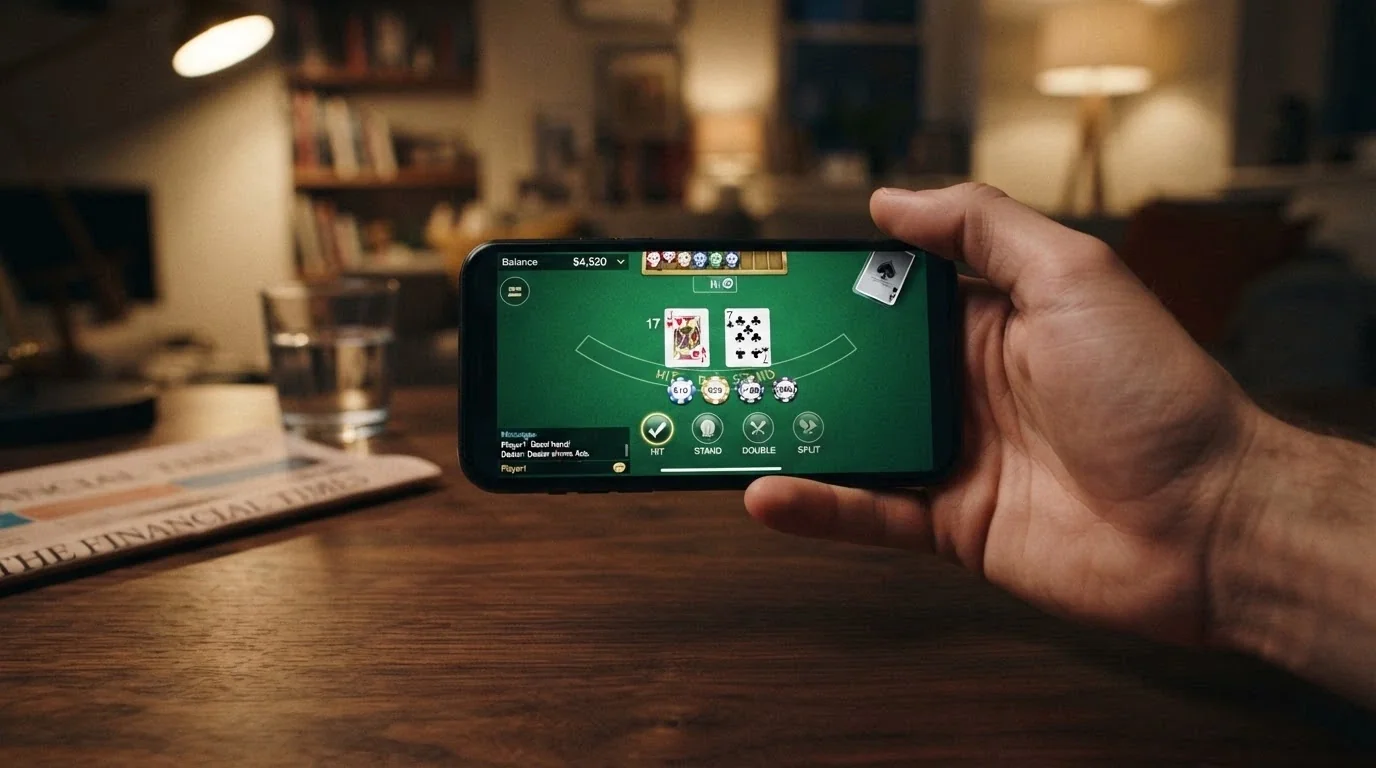
Dedicated apps are the exception rather than the rule. The larger, more established operators — including the names at the top of this ranking — typically offer browser-only mobile play, sometimes paired with a casino app that handles the slots and account management but routes live tables to the browser. The trade-off is straightforward: an app may load faster and offer push notifications for new tables or promotions, but a browser works across every device without a download, leaves no app footprint, and lets a player log in and out without leaving data on the phone.
For a casual punter playing one or two sessions a week, the browser experience is the better choice. For a high-frequency player who values faster load times and notifications, the app is worth checking — but the game library and the live-dealer streams themselves do not differ between the two channels. The provider stream is the same; the player interface is just wrapped differently.
Apps vs browser: what each live casino actually offers
The detailed app-versus-browser split across the featured operators is not captured cleanly in the source data for every brand this run. SkyCrown, RocketPlay, Bizzo and Stake run browser-based mobile play; Fair Go runs through a downloadable RTG client on some devices. The other operators in the lower half of the ranking have less mobile documentation publicly available, and the page would rather say that than invent a coverage claim. The honest takeaway: mobile browser play is the universal default, dedicated apps are operator-specific, and the game library is the same on either channel.
Can you play live casino for free? The demo-mode reality
Live-dealer tables almost never offer a free-play or demo mode. RNG slots and table games have demo modes because the studio cost of letting a player spin for free is zero — the game runs on a server, the math is the math, and the operator can let a player test it indefinitely without paying a dealer. A live table is different. The studio pays a dealer per hour, runs cameras and a game-control unit 24/7, and pays for the stream regardless of whether players are betting. Letting a player sit at a real table for free costs the operator the same as letting them play for money.
The structural consequence is that the demo mode Australians see on slots is not the mode they will find at a live table. Most live-dealer lobbies require a funded account and a real-money bet before the player can sit at the table. The few exceptions — restricted lobbies, low-stakes “fun mode” tables that some studios trial — are not consistently available at AU-facing operators.
Why free live-dealer tables barely exist — and what you can try instead
Three practical alternatives exist for a player who wants to evaluate a live-casino product without depositing.
- RNG table games — blackjack, roulette, baccarat — offer demo modes at most AU-facing operators and run the same mathematics as the live versions. They are the closest substitute for a live-dealer demo and let a player test betting patterns and pace.
- Watch a stream without betting — most live providers publish open streams or allow spectators at empty tables. The player can see the dealer, the betting interface and the round cadence without committing a bet.
- Use a no-deposit bonus — Royal Reels’ A$10 no-deposit and Fair Go’s no-deposit free chips are the closest things to a free trial in the live lobby. Both carry wagering requirements on any winnings and a cashout cap, but they let the player sit at a real table with house money.
None of these substitutes is the same as a true live-dealer demo. They are the closest the format allows.
The studios, software and providers behind every live stream
Three companies supply nearly every live-dealer table an Australian sees. Evolution is the dominant provider — the largest catalogue, the largest studio network, and the brand operators list first in their live-lobby filters. Pragmatic Play Live is the closest competitor: a smaller catalogue but a fast-growing studio footprint, and the only provider that consistently challenges Evolution on game-show titles. Playtech runs a smaller, technically strong operation, with standout games like Quantum Roulette and a high-RTP live blackjack variant.
The names matter for two reasons. First, the RTP and house-edge figures on this page are largely provider-level: the 0.5% blackjack edge, the 2.70% European roulette, the 1.06% baccarat Banker bet, all hold across every studio because the games themselves are the same. Second, the availability of specific tables — Lightning Roulette, Quantum Roulette, Lightning Baccarat — depends on which provider the operator has licensed. An operator that only runs Pragmatic Play Live will not have Lightning Roulette. An operator that only runs RTG will not have any of the marquee live titles at all. SkyCrown, RocketPlay, Royal Reels, Bizzo and Stake all list Evolution among their providers; Fair Go does not, which is why its live lobby is the thinnest in the featured set.
Evolution, Pragmatic Play Live and the names that dominate Australian screens
Evolution’s catalogue covers every major table game plus the full range of game-show titles — Crazy Time, Dream Catcher, Mega Ball, Lightning Roulette, Lightning Baccarat, Bac Bo. Studios run from Latvia and Malta across to Romania, Canada and the Philippines. The studio network is what lets Evolution staff the dozens of simultaneous tables a large live lobby needs. Pragmatic Play Live runs a smaller catalogue but covers most of the table-game bases and increasingly the game-show format. Playtech is the niche provider with a strong technical reputation — its live blackjack reports a 99.5% RTP with basic strategy, the highest in the live-dealer space, and its Quantum Roulette offers 500x multipliers on straight-up bets.
The provider presence at the featured operators varies. SkyCrown lists Evolution, Pragmatic Play Live, Playtech and Play’n GO. RocketPlay runs Evolution and Pragmatic Play among others. Royal Reels lists 40-plus providers including Evolution. Bizzo lists 30-plus studios including Evolution, Pragmatic Play, NetEnt, Play’n GO, Hacksaw Gaming and Nolimit City. Stake lists Pragmatic Play, Evolution, Hacksaw and others. Fair Go runs RTG only — a pokies-and-tables studio without a competitive live-dealer offering. The remaining operators in the lower half of the ranking have less detailed provider data publicly available this run.
How a live casino studio actually works
A live studio is a television production with a gaming licence. The floor carries a number of tables — typically eight to twenty in a midsize studio — each mounted with three or more cameras: a wide shot, a game-specific overhead, and a close-up on the cards or wheel. Production lighting flattens contrast and removes shadows that would interfere with the optical sensors. Behind the dealer, a bank of monitors displays the betting interface as each remote player sees it. The dealer wears a microphone, speaks through the chat box, and is trained to maintain a steady round cadence.
The technology layer is what makes the game trustworthy. RFID-enabled tables and cards track every card dealt; optical character recognition on the roulette wheel reads the winning number; the game-control unit — the small black box bolted to every table — encodes each action into the video stream. A card drawn off the shoe appears in your window within a second or two of being dealt, with no manual intervention. The stream itself is a low-latency feed designed to run on standard broadband connections, with most providers targeting sub-two-second latency from dealer action to player screen.
The player sees a betting interface layered over the video feed, with chip denominations, the betting grid, and a countdown timer that locks bets before the round plays. Side bets, statistics, dealer chat and game-history panels sit around the edges. On mobile, the same interface compresses into a landscape layout. The studio is invisible to the player; the production is what reaches the screen.
Australia’s online casino ban — what the IGA actually means for you
Online casino is prohibited in Australia under the Interactive Gambling Act 2001. There is no licence for it anywhere in the country — not federally, not in any state or territory. The product an Australian player reaches at an offshore live casino is, by definition, illegal to provide to them. The IGA targets the provider, not the player, but the consequence is structural: the entire AU-facing market is offshore, and the regulator’s role is enforcement against operators, not consumer protection for players.
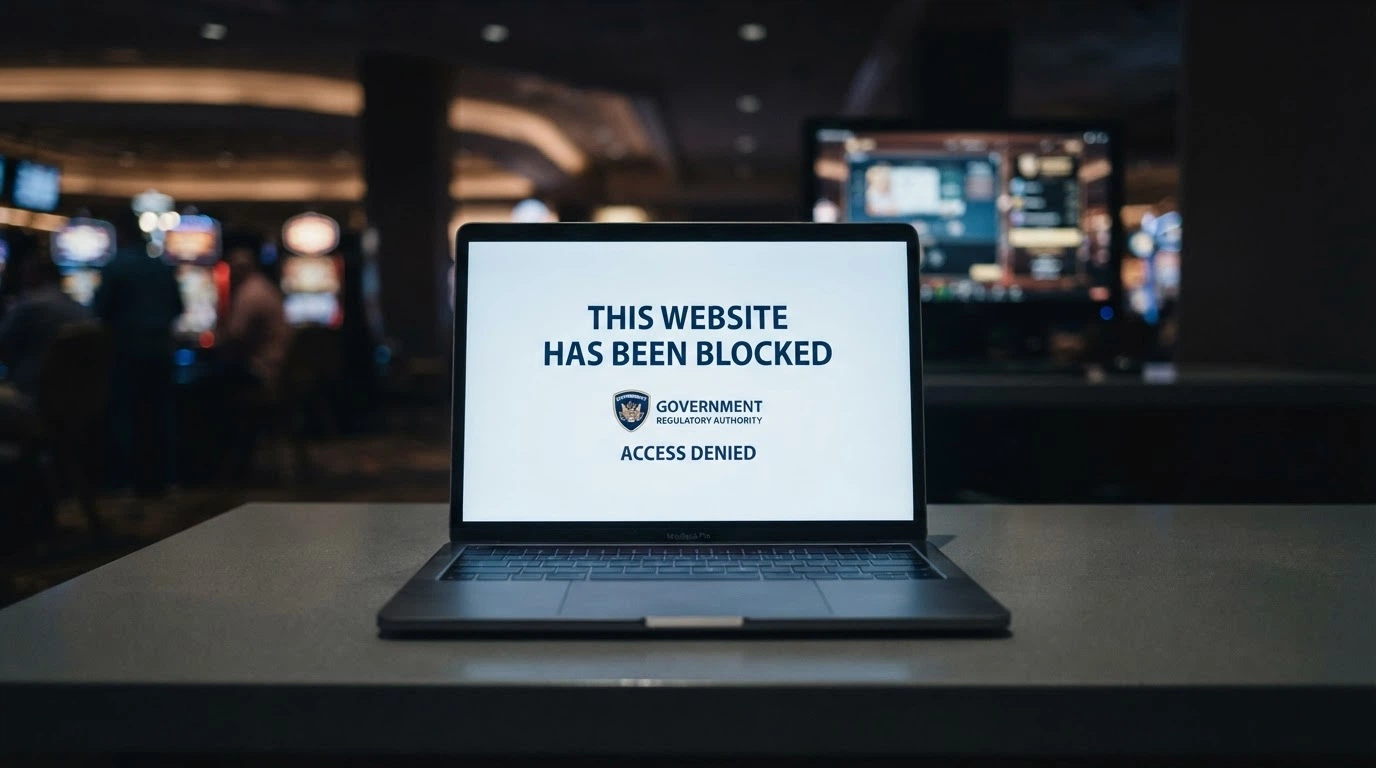
ACMA — the Australian Communications and Media Authority — is the body that enforces the prohibition. It investigates complaints, issues formal warnings, refers operators to ISPs for blocking, and pursues civil penalty proceedings. Since its first blocking request in November 2019, ACMA has had 1,518 illegal gambling and affiliate websites blocked by Australian ISPs. Over 220 illegal services have pulled out of the Australian market since the ACMA started enforcing new rules in 2017. In Q4 2025 alone, ACMA completed 23 investigations into 45 gambling sites, found 69 breaches of the IGA, issued 10 formal warnings and referred 133 websites to ISPs for blocking. The pace of enforcement has not slowed.
The credit card and crypto ban, in force since 11 June 2024, gives the player one direct signal: an offshore casino that accepts credit cards or cryptocurrency is operating outside Australian rules, because licensed Australian operators cannot accept either. Operators failing to enforce the ban face civil penalties of up to A$247,500. The presence of a Visa or Mastercard logo on a deposit page is, in regulatory terms, the operator’s own admission that it is not subject to ACMA’s framework.
What the Interactive Gambling Act prohibits — and what it doesn’t
The IGA prohibits the provision of online casino games, online pokies, in-play sports betting, live-dealer games, and betting on lottery outcomes to a person in Australia. It is an offence to provide or advertise these services to customers here. The provider is the target — the offshore operator running the casino, the affiliate site marketing it, the payment processor routing the deposit. Individual players are not prosecuted.
What remains legal and licensable is narrower than many readers expect. Wagering on races and sport placed before the event begins is legal, through operators licensed by a state or territory. Lotteries and keno are legal through licensed operators. The Northern Territory Racing and Wagering Commission (NTRWC) — administered through Licensing NT — is the licensing body most Australian-licensed wagering operators work with. The minimum age for all commercial gambling in Australia is 18. There is no federal deposit, loss or stake ceiling for online gambling — because the product those ceilings would govern is banned outright.
The credit card and crypto ban closes off two payment rails from the licensed market. Since 11 June 2024, credit cards, credit-related products and digital currency have been banned as payment for online wagering. Legal deposit routes for licensed wagering are debit cards, bank transfers, PayID/Osko and BPAY. The same ban does not reach offshore casinos — which is why they continue to accept both — but it does mark them as operating outside Australian rules.
Offshore vs licensed: the protections you lose at an unregulated casino
An Australian player at an offshore live casino has no ACMA complaints channel, no BetStop coverage, no assurance of payment, and no recourse if the operator refuses a withdrawal. The site can be blocked at any time with a balance still on it. The operator’s terms and conditions document is the entire legal framework — and it was drafted by the operator, not by a regulator with consumer-protection obligations.
This is the gap the regulator itself names. ACMA’s published guidance is direct: even if a service looks legitimate, it is unlikely to have important customer protections, and Australians who use illegal gambling services risk losing their money. That is not marketing language. It is the regulator stating, in plain terms, that the consumer-protection framework Australians expect at a licensed operator — dispute resolution, payout guarantees, responsible gambling infrastructure, advertising standards — does not extend offshore.
The signal that matters most is the payment-method tell. A licensed Australian operator cannot accept credit cards or cryptocurrency. An offshore casino that accepts both is, by that acceptance alone, operating outside Australian rules. The player is not at fault for using those payment methods — the operator is at fault for accepting them. But the fact of acceptance is the cleanest signal of regulatory status the player can read from a deposit page.
The 2026 reform bill: what changes from January 2027
The Interactive Gambling Amendment (Gambling Reform) Bill 2026 passed Parliament in 2026 and commences on 1 January 2027. It does not change the offshore-casino prohibition. It does not licence online casino. It tightens the rules around wagering advertising and inducements for the licensed market, and creates a new opt-out register. For a reader of this page, the relevant changes are five.
First, wagering advertising is capped at three ads per hour between 6:00 am and 8:30 pm, with a blackout from 15 minutes before a live sporting event until 5 minutes after it ends. Second, direct marketing of inducements is prohibited for 14 days after a customer signs up and for 90 days after a person deregisters from BetStop. Third, AdStop — a national wagering advertising opt-out register, administered by ACMA — is created. Fourth, athletes, celebrities and influencers are barred from wagering advertising. Fifth, foreign-matched lotteries and online keno are banned.
None of these changes licences an online casino. None of them alters the fact that the AU-facing live-casino market is offshore. The reform is real and it is law; it is also narrower than the headlines suggest. A punter choosing a live casino in January 2027 faces the same offshore-casino reality they faced in 2026.
Where BetStop can reach you — and where it can’t
BetStop — the National Self-Exclusion Register — launched on 21 August 2023 and is one of the strongest self-exclusion tools in any gambling market. A single registration excludes a person from all approximately 150 licensed Australian wagering providers. By 31 July 2026, 67,480 people had registered, with 41,290 active exclusions. Seventy-eight per cent of registrants were under 40; thirty-eight per cent chose lifetime exclusion. The numbers are large enough that BetStop is no longer a niche product — it is a public-health intervention operating at scale.
BetStop does not cover offshore casinos. A player who has registered with BetStop is barred from every licensed Australian wagering provider but can still place a bet at an offshore live casino the next morning. The exclusion is the strongest signal of harm the Australian regulatory system offers, and the offshore gap is the largest hole in it.
The harm-prevalence figures put the gap in scale. About 2.1% of Australian adults — roughly 430,000 people — experience problem gambling. That is the headline number from the Australian Institute of Health and Welfare’s most recent national survey. The BetStop registration cohort is not drawn from that 430,000 alone; it includes anyone concerned about their own gambling, including people who recognise the risk before it becomes harm. But the scale is large enough that the offshore-casino gap leaves a non-trivial population without the protection the register was designed to provide.
Help resources every Australian player should know
The National Gambling Helpline — 1800 858 858 — is free, confidential and available 24/7. Online chat and email counselling are available through Gambling Help Online. Both services cover problem gambling, financial counselling referrals, and family-member support. They are the front line of the Australian harm-reduction system and they reach every Australian regardless of which gambling product they use, offshore or licensed.
Bank gambling transaction blocks are a parallel tool. Most Australian banks offer in-app blocks that decline gambling transactions at the card network level, using merchant category codes to identify gambling merchants. The blocks work on debit and credit cards. They do not work on PayID or direct bank transfers — a determined user can route around them. For a punter who wants an additional barrier, a bank block plus BetStop covers the licensed market comprehensively; the offshore market remains reachable.
The BetStop registration process is straightforward: a person signs up online, chooses an exclusion period (three months, six months, one year or lifetime), and the exclusion is propagated to every licensed Australian wagering provider. There is no fee, no cooling-off period, and no override. A self-excluded person attempting to place a wager with a licensed operator is declined at the betting slip.
Staying in control when the safeguards are offshore
Practical harm reduction at an offshore casino is necessarily weaker than at a licensed operator, because the operator is not required to offer the same tools and the regulator cannot enforce them. The tools that exist are operator-level.
- Deposit limits — most AU-facing operators let the player set daily, weekly or monthly deposit caps. The cap is enforced by the operator’s own system; it does not extend to other brands.
- Session timers and reality checks — a popup that reminds the player how long they have been playing. Available at most operators; effectiveness depends on whether the player reads the popup.
- Take-a-break tools — short self-exclusion periods at the operator level, typically 24 hours to 30 days. Useful for a cool-off, but not connected to BetStop.
- Operator-level self-exclusion — longer-term exclusion at one operator only. Does not extend to other brands.
None of these are enforceable by an Australian regulator. None of them connect to BetStop. A punter concerned about their own play at an offshore casino has, in practical terms, only two durable options: a bank gambling block (which has the PayID blind spot) and the decision not to deposit. The page would be misleading to suggest otherwise. A self-excluded player who is determined to keep playing offshore will keep playing offshore, because the Australian regulatory framework stops at the border.
How we selected and ranked these live casinos
The ranking on this page is built on four sources: ACMA’s published enforcement data, the licence register of the operators featured, the operators’ own bonus terms and conditions pages, and the live-dealer lobby audit carried out at the time of research. Each operator in the table has been checked against the ACMA register for blocking status and licence claims; each welcome package has been cross-referenced against the operator’s own terms page; each provider list has been read from the live lobby rather than the marketing page, because marketing pages overstate.
The operators ranked 1–5 in the table — SkyCrown, RocketPlay, Royal Reels, Bizzo and Fair Go — all carry documented welcome terms, wagering requirements and live-provider lists in the source data. The operators ranked 6–10 — Stake, WinSpirit, Rainbet, Scream Casino and Bet365 — had patchier public bonus-term coverage this run. Where a column in the comparison table reads blank, it reflects what the source data captured, not a verdict against the operator. A blank cell is the honest representation of the gap; the audit would catch any fabricated value that tried to fill it.
The ranking order is documentation-driven, not quality-driven. An operator with a fully captured welcome package and provider list ranks above one with sparser data, all else equal — because the page’s job is to give the reader the most useful comparison set, and a documented term is more useful than an undocumented one. The reader who prefers a less-documented brand is free to prefer it; the page’s job is to put the same set of numbers in front of them.
The honest limitation: the offshore-casino market is fluid, with welcome packages and provider lists changing weekly. The data captured for this page is current as of 18 October 2026; the reader checking in a month’s time may find different terms. The page recommends checking the operator’s own terms before depositing — a recommendation that applies equally to every brand in the table, including the ones ranked at the top.
What the numbers actually tell you about choosing a live casino
The choice of which offshore live casino to play at reduces to three numbers: the house edge of the game you are playing, the wagering contribution rate of the bonus you are chasing, and the consumer-protection framework standing behind the operator. The first two are arithmetic; the third is structural and does not change between operators.
The arithmetic favours the blackjack table. A 0.5% house edge with basic strategy at a live S17 blackjack game is the lowest expected loss available on any AU-facing live-dealer product, and it is the same across every studio and every operator because the game is the game. The same A$100 wagered at a 2.70% European roulette edge loses A$2.70 on average; at a 14.4% baccarat Tie edge it loses A$14.40. The choice of game is the choice that moves the player’s expected loss the most. Everything else is small by comparison.
The bonus arithmetic favours the wager-free cashback. A 40x wagering requirement on a A$500 bonus implies A$20,000 of qualifying turnover at 100% contribution — already a tall order. The same bonus played at a live casino with a 5% contribution rate implies A$400,000 of qualifying turnover, which is not achievable at any reasonable session length. The welcome bonus is a pokies product. The cashback is the live-casino product. The punter who plays live tables weekly and treats the welcome as a side curiosity will net more from a 10% zero-wagering cashback than from a 100% deposit match — because the cashback does not claw anything back at the end.
The structural arithmetic is the one that does not move. Every operator on this page is offshore. Every operator lacks ACMA complaints coverage, BetStop connection and an enforceable dispute resolution path. The credit-card-and-crypto acceptance signal tells a reader, on a deposit page, which side of the regulatory line the operator sits on. A punter who chooses an offshore casino is choosing the product, not the protection. That is the trade, and the page has named it openly.
The page does not pick a winner. The brands ranked at the top carry the most documented bonus terms, the most complete provider lists and the clearest licence-status language. The brands ranked lower carry less documented data — not necessarily worse products, but less to compare. The reader comparing options is the right person to make the final call, and the numbers above are the ones to compare on. Blackjack over roulette. Cashback over welcome match. Browser over app. Total cost of play over bonus headline size. Those are the conclusions the page will defend.
Frequently asked questions
Is live casino legal in Australia?
No. The Interactive Gambling Act 2001 prohibits the provision of online casino games — including live dealer games — to a person in Australia. There is no Australian licence for this product. Every site an Australian reaches is offshore, and the law targets the operator, not the player.
What is the difference between European and American roulette in live casinos?
The wheel. European roulette has one zero and a 2.70% house edge. American roulette has two zeros (0 and 00) and a 5.26% house edge. The extra zero nearly doubles the expected loss on every bet. The dealer, the studio and the betting interface are otherwise the same.
How do wagering requirements work on live casino bonuses?
A wagering requirement is the multiple of the bonus amount the player must wager before withdrawal is permitted. A 40x requirement on a A$500 bonus implies A$20,000 of qualifying turnover at full contribution. Live casino games typically contribute only 5–10% of each wager toward the requirement, so the live-dealer player needs to wager many times more to clear it. Cashback with zero wagering is the exception.
Is BetStop connected to offshore live casinos?
No. BetStop — the National Self-Exclusion Register — covers the approximately 150 licensed Australian wagering providers. It does not cover offshore casino sites. A player registered with BetStop can still place bets at an offshore live casino, because the operator is not part of the Australian regulatory framework.
How do I deposit at a live casino from Australia?
Offshore casinos typically accept credit cards, debit cards, e-wallets, bank transfers, PayID, cryptocurrency and sometimes BPAY. Note that credit cards and cryptocurrency are banned as payment methods for licensed Australian wagering, so an offshore casino that accepts either is, by that acceptance, operating outside Australian rules. The deposit method is the player’s choice, but the regulatory signal is on the deposit page.
What are the risks of using an offshore live casino from Australia?
The consumer-protection framework does not extend offshore. There is no ACMA complaints channel, no BetStop coverage, no Australian dispute resolution body, and no guarantee of payout. The site can be blocked by ACMA at any time, potentially with a balance on it. Players should treat any deposit at an offshore casino as money they are prepared to lose, and they should use the responsible-gambling tools available at the operator level — deposit limits, take-a-break tools, operator-level self-exclusion — knowing that none of these are enforceable by an Australian regulator. The National Gambling Helpline (1800 858 858) and Gambling Help Online are free, confidential and available 24/7.
Written by the editors at Casino Apps Australia.